
An opening overview paragraph
Key Developments
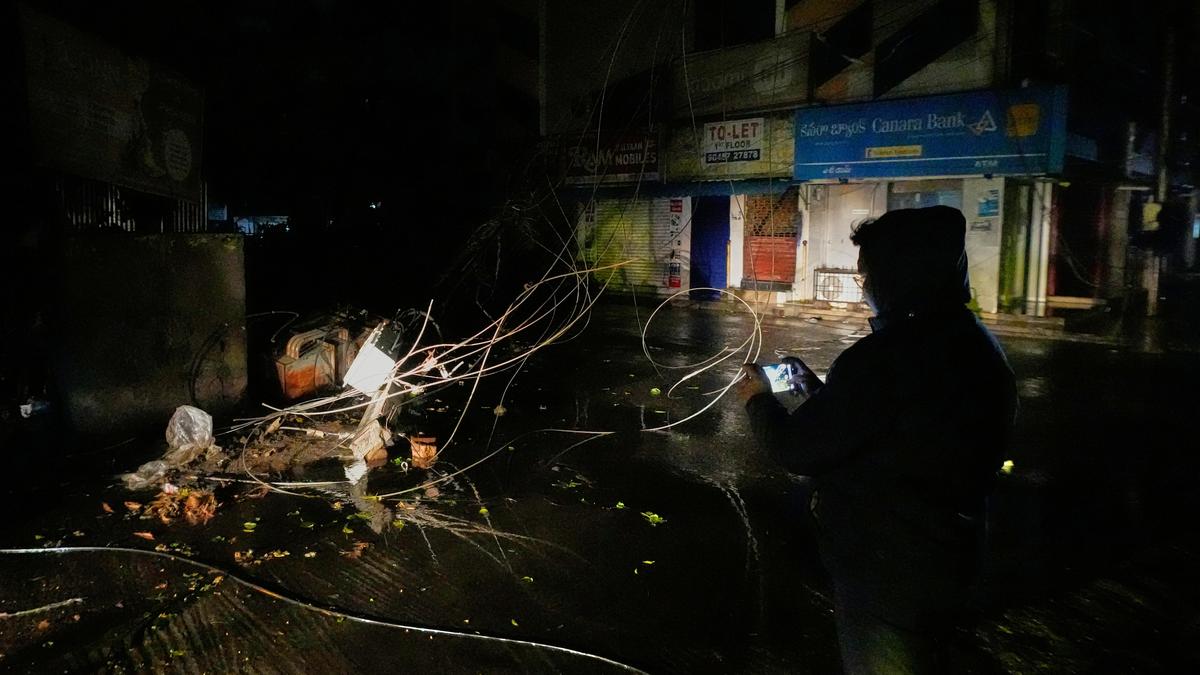
Cyclone Arnab, classified as a very severe cyclonic storm, has entered the coastal waters off Narsapur in Andhra Pradesh. While the storm’s center is still offshore, the Indian Meteorological Department (IMD) has issued a warning that the landfall process might extend for several hours. Heavy rainfall and strong winds have already battered Visakhapatnam, leading to power cuts and flooding in low‑lying areas.
"IMD experts said the landfall process may go on for a long time, and they can indicate the tentative landfall point only after the process is over."
Background & Context
The Indian Ocean has seen a surge in cyclonic activity this season, with Arnab forming from a low‑pressure area that intensified rapidly. Historically, the waters off the eastern coast of India can produce powerful storms that impact both Andhra Pradesh and Odisha. West Bengal residents, especially those in coastal districts like Sundarbans, often watch such developments closely due to the potential for long‑range wind and rain.
Impact & Analysis
- Heavy rain and strong winds have caused power outages in Visakhapatnam.
- Flooding has been reported in several residential areas near the coast.
- The IMD’s delayed landfall confirmation may affect evacuation plans and emergency response.
- Residents in West Bengal are advised to stay updated through official channels and prepare for possible weather alerts.
What Happens Next
The IMD will continue to monitor the storm’s trajectory and intensification. Once the landfall process concludes, the department will issue a definitive statement on the exact point of impact. Local authorities in Andhra Pradesh and Odisha are coordinating with emergency services to ready shelters and supply chains. West Bengal’s disaster management offices are also on standby to issue advisories if the storm’s path threatens the state’s coastal regions.