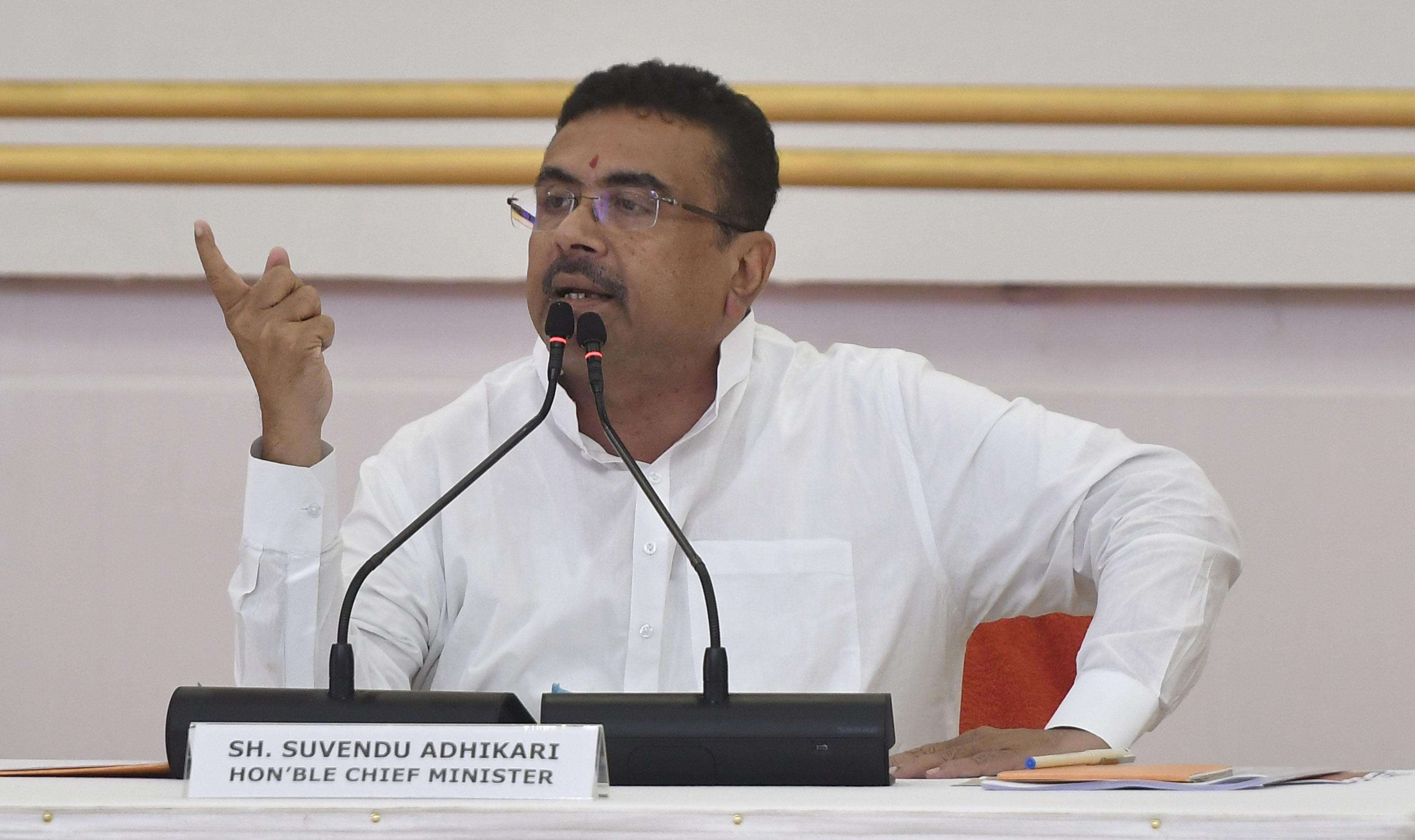
West Bengal Chief Minister Mamata Banerjee announced a new restriction for teachers recruited through the State Secondary and Higher Secondary (SSC) examination. Under the policy, these teachers are barred from active political participation and from contesting elections. The decision was presented as a measure to safeguard the education sector from political influence.
Key Developments
- The ruling applies to all future teachers appointed via the SSC examination.
- Teachers who come under this category cannot be members of any political party.
- The ban also prohibits them from standing for any public office.
- The announcement was made during a public address by the Chief Minister at a state event.
- Legal experts have expressed uncertainty about whether the restriction will survive scrutiny in a court of law.
Background & Context
The State Secondary and Higher Secondary (SSC) examination is a major recruitment process for school teachers in West Bengal. Historically, teachers recruited through this route have been allowed to join political parties and contest elections. The new policy marks a significant shift in the state's approach to maintaining neutrality in education.
Impact & Analysis
- Teachers may need to reconsider career plans if they aspire to political roles.
- The policy could reduce instances of political patronage in school administration.
- Political parties may be forced to seek alternative ways to attract educated professionals.
- Some educators and teacher unions have voiced concerns about potential infringements on freedom of association.
- The rule may prompt a legal challenge, which could influence future teacher recruitment guidelines.
What Happens Next
- Legal experts are preparing to file petitions to test the rule’s constitutionality.
- The state government will likely provide a detailed justification in response to any court action.
- An official statement from the Ministry of Education is expected to clarify the implementation timeline.
- The outcome of any legal proceedings could set a precedent for similar policies in other states.