BREAKING
Kolkata Ring Road Project 75% Complete, Fast-Track Link Opens Ahead of Schedule|Kolkata Metro Green Line: Commercial Services to Howrah Maidan Commence with Record Turnout|East Bengal vs Mohun Bagan: High-Voltage Kolkata Derby Scheduled for This Weekend at Salt Lake Stadium|Durga Puja 2026: North & South Kolkata Pandals Unveil Eco-Friendly Thematic Showcases|New Town Tech Corridor: Global IT Giants Announce 5,000+ New Job Openings This Quarter|Weather Alert: Pleasant Evening Breeze Forecast Across South Bengal and City Coast|Netaji Subhash Chandra Bose Airport Expands Contactless DigiYatra Terminal 2 Gates|Heritage Revival: Historic Tramway Line Recommissioning Approved by Transport Department|KMC Launches 24/7 Digital Citizen Portal for Instant Municipal Grievance Resolution|Hilsa Fish Supplies Surge in City Wholesale Markets, Bringing Relief to Consumers|Smart City Mission: Kolkata Ranks Among Top Urban Digital Centers Nationwide|Fire Safety Audit: Comprehensive Inspections Initiated Across Central Kolkata Markets|
Our Kolkata
CultureLIVE UPDATEVerified by OurKolkata Newsroom

Bengal’s cultural fabric shifts under BJP rule, losing its pluralist character

Since the BJP took power in West Bengal, Hindutva politics have begun reshaping the state’s cultural scene. New religious directives, the appearance of northern holy men, and attacks on traditional Left‑run book stalls at Durga Puja sites illustrate a move toward a saffron‑tinged public life, challenging the region’s historic pluralism.

Bengal’s cultural fabric shifts under BJP rule, losing its pluralist character
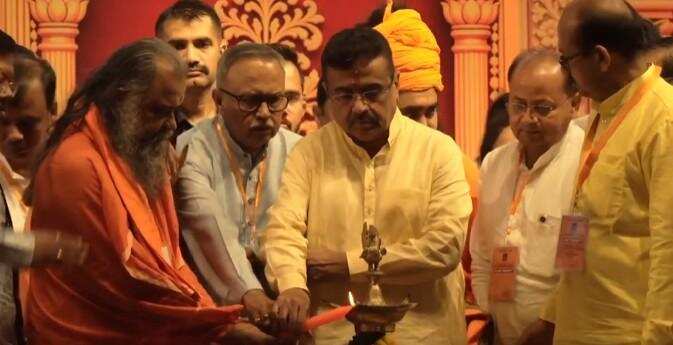
Bengal’s cultural fabric shifts under BJP rule, losing its pluralist characterPhoto via Frontline Magazine

The Bharatiya Janata Party’s recent governance of West Bengal is steering the state’s cultural landscape toward a more overt Hindutva orientation, according to observers. Within six months of the party’s ascent, long‑standing practices of secular celebration and culinary freedom during Durga Puja have faced new restrictions, including calls for vegetarianism and the discouragement of the traditional term “Sharadotsav.”

Northern‑origin holy men, such as semi‑naked Naga sadhus, have been seen outside institutions like Jadavpur University, while self‑styled godman Baba Bageshwar publicly chastised Bengalis for eating meat, urging a “boycott” of Hindus who consume “dirty” non‑vegetarian food during the festivals. Visuals of the godman at Chief Minister Suvendu Adhikari’s residence linked the political leadership to these messages, even as some party members tried to distance themselves.

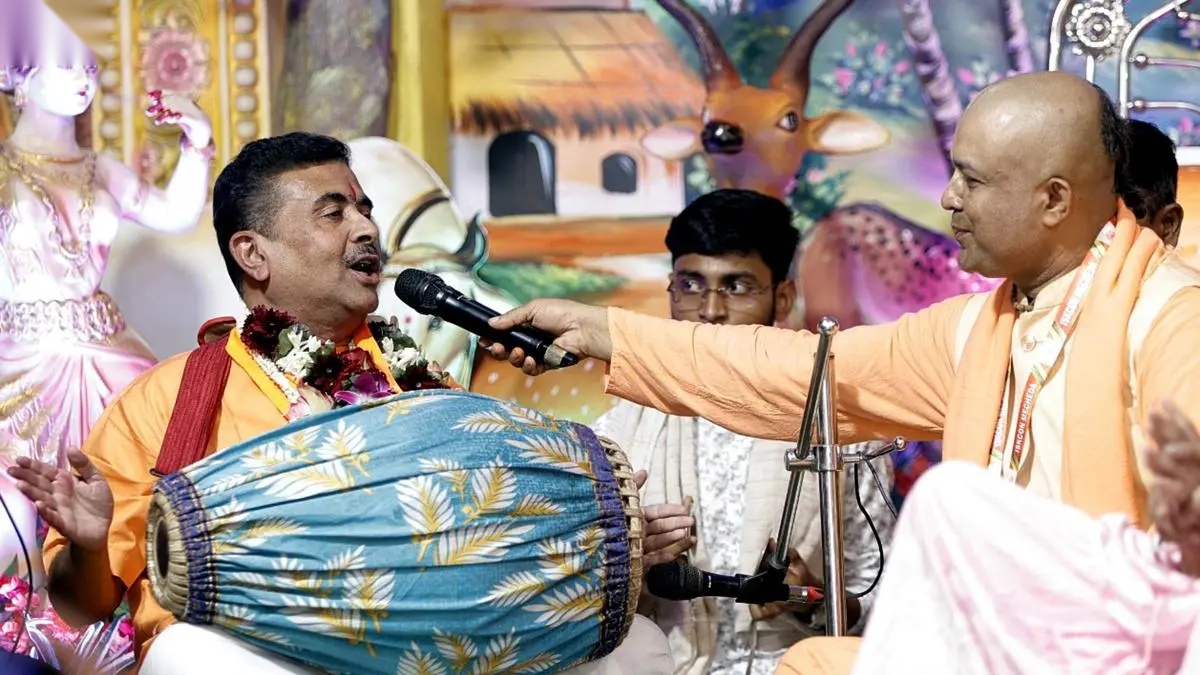
The cultural shift manifested physically when Left‑run book stalls, a customary feature of Durga Puja pandals, were vandalised. Later, images of Baba Bageshwar were burned in protest, prompting Adhikari to issue strict orders in response. The chief minister was also photographed singing at the Annakut celebrations in ISKCON, Purba Medinipur on November 10, 2026, underscoring the new government’s visible endorsement of Hindu rituals.

These developments suggest a marked polarisation of Bengal’s traditionally inclusive society, with the state’s multi‑coloured identity increasingly taking on a saffron hue under BJP rule.
Was this story useful?
Share on WhatsApp