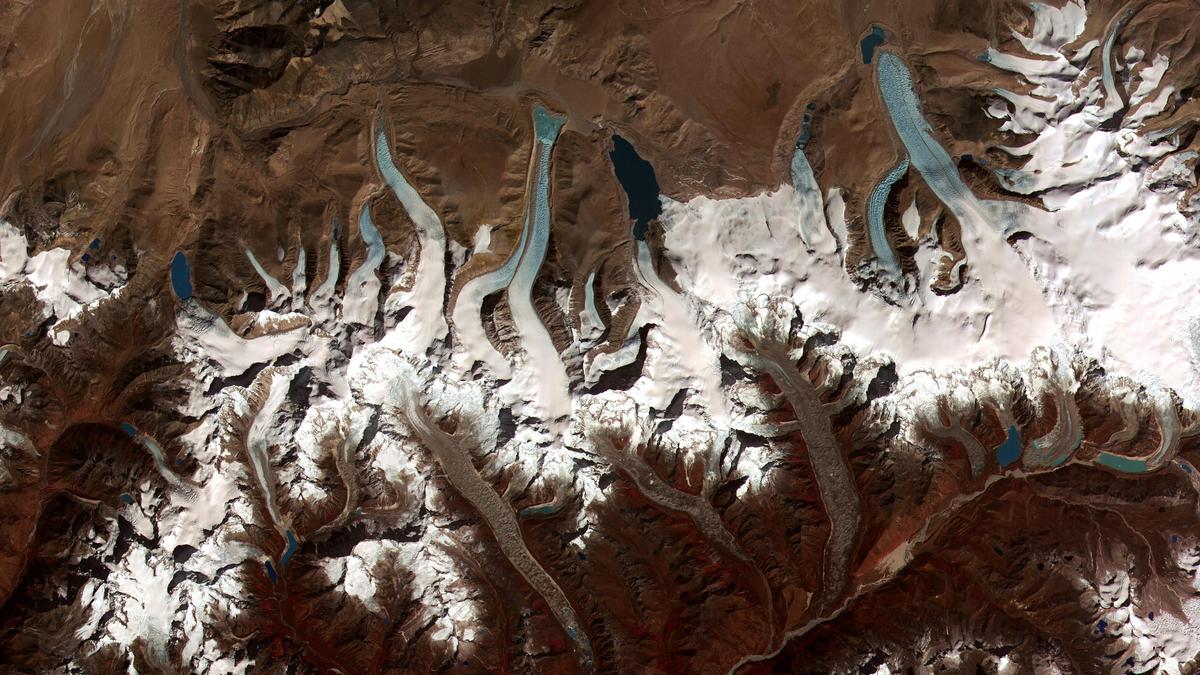
The recent glacial lake outburst flood (GLOF) in Bhutan has led West Bengal’s state authorities to declare a high‑alert zone and issue evacuation warnings for residents living along the Sankosh River.
Key Developments
- The GLOF in Bhutan caused a sudden surge in water levels along the Sankosh River, which flows into West Bengal.
- West Bengal’s disaster management officials have set up high‑alert status for the entire stretch of the river within the state.
- Residents in communities adjacent to the river have been instructed to evacuate to higher ground.
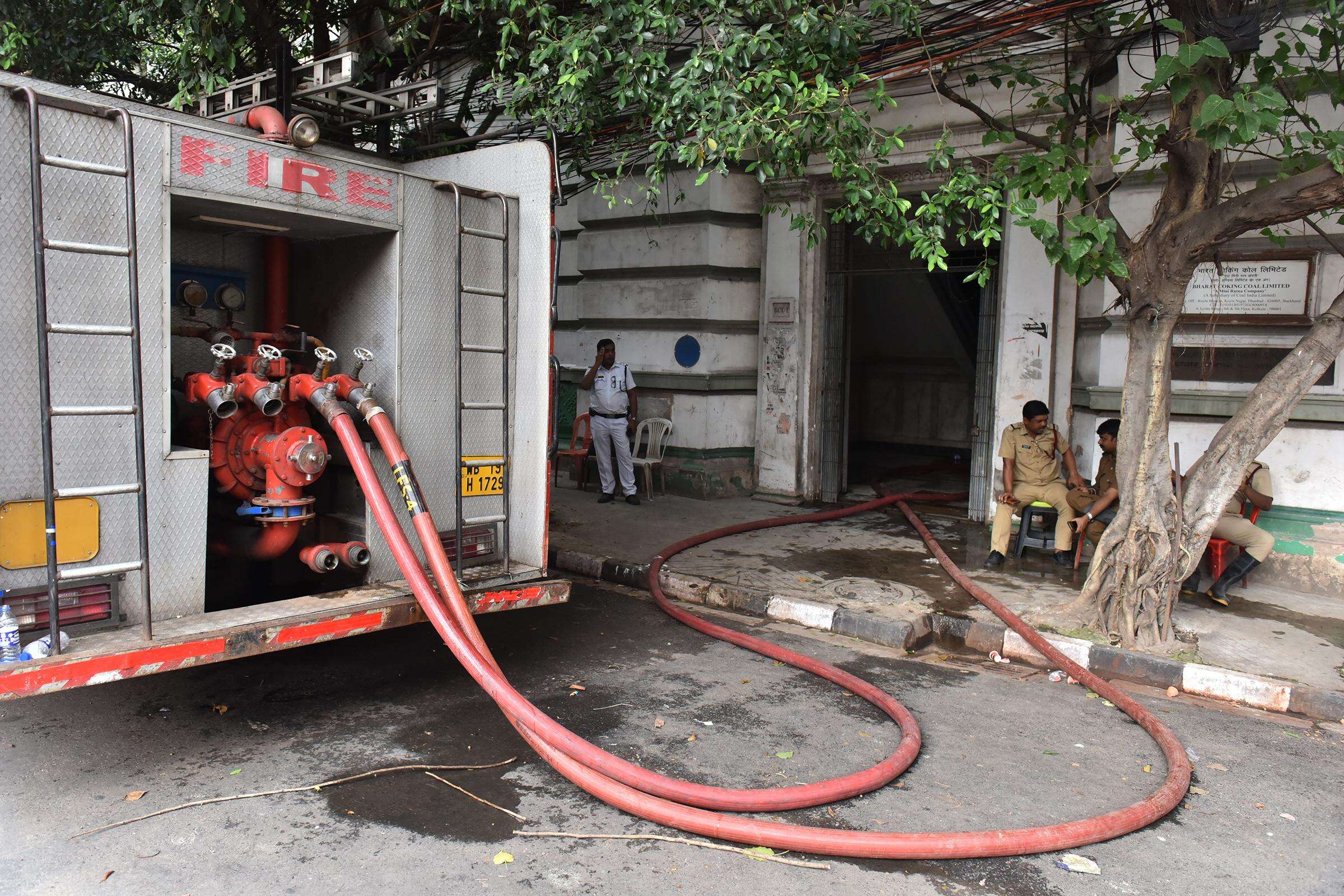
- Emergency services, including the state police and the West Bengal Disaster Management Authority, are on standby to assist with evacuations and provide shelter.
Background & Context
Sankosh River is a major tributary of the Brahmaputra and passes through several districts of West Bengal. Historically, the region has faced flood risks during monsoon seasons. The recent GLOF in Bhutan represents an extreme weather event that can rapidly increase river discharge, posing a threat to downstream settlements.
Impact & Analysis
- Residents in low‑lying areas may face high risk of flooding and property damage.
- Local transport routes that cross the river could be disrupted.
- The high alert may temporarily affect agricultural activities along the riverbanks.
- Emergency shelters have been set up to accommodate displaced families.
- Authorities are coordinating with local NGOs for relief distribution.
What Happens Next
- Continuous monitoring of the Sankosh River’s water levels will be conducted by the West Bengal Disaster Management Authority.
- If water levels rise further, additional evacuation zones may be declared.
- The state government will issue further advisories as the situation evolves.
- Residents are urged to stay informed via official channels and avoid traveling to affected areas until the alert is lifted.