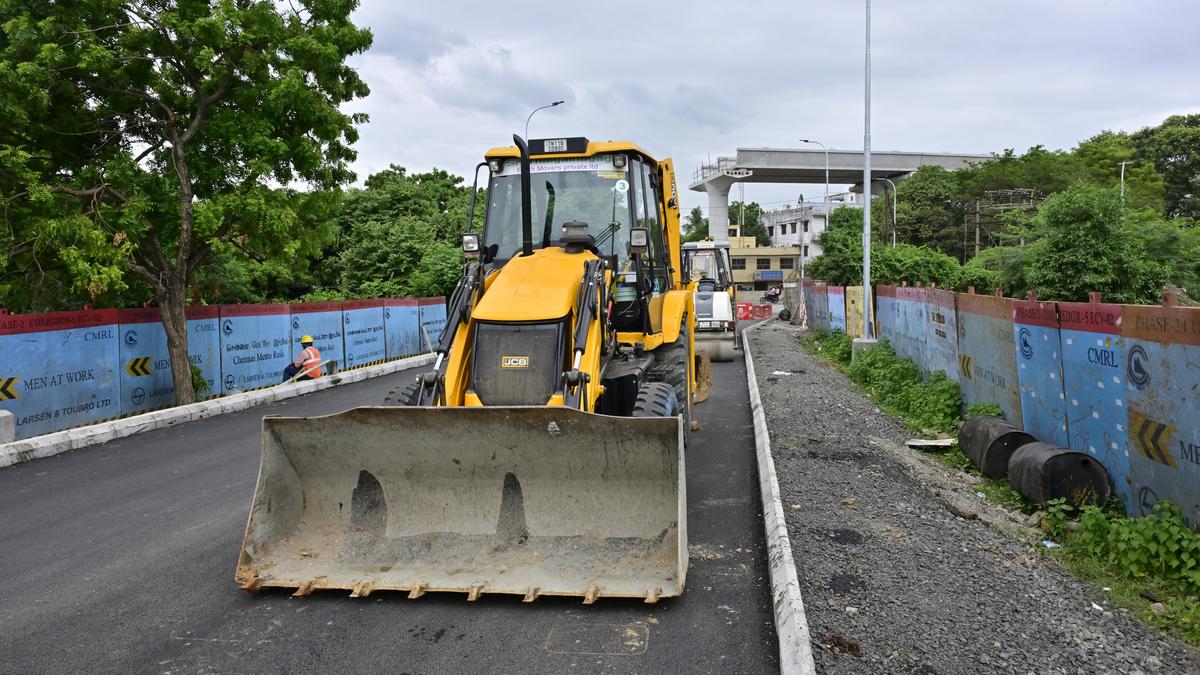
Recently, the Chennai Corporation issued a directive to its engineering teams, mandating that roads be milled before any new bitumen layers are applied. The move is intended to curb the gradual rise in road levels observed when fresh layers are added repeatedly.
Key Developments
- Engineers will now perform milling on existing road surfaces before relaying.
- The directive explicitly discourages adding fresh bitumen layers that can elevate road levels.
- The aim is to maintain consistent road profiles and reduce long‑term maintenance costs.
"Repeatedly adding fresh layers of bitumen and raising road levels must be avoided," Commissioner G.S. Sameeran said.
Background & Context
Road level rise is a common issue in many Indian cities where continuous resurfacing without proper milling leads to uneven surfaces and drainage problems. By intervening early with milling, the city hopes to stabilize road surfaces and prevent the need for costly future interventions.
Impact & Analysis
- Improved Road Quality: Consistent road levels lead to smoother rides and less vehicle wear.
- Cost Savings: Early milling reduces the frequency of major resurfacing projects.
- Safety: Stable road surfaces lower the risk of accidents caused by uneven pavement.
- Urban Planning: Demonstrates a proactive approach to infrastructure maintenance.
What Happens Next
Engineers will commence the milling process in accordance with the new directive, ensuring that any subsequent road relaying follows the updated guidelines to keep road levels stable across Chennai.