
Overview
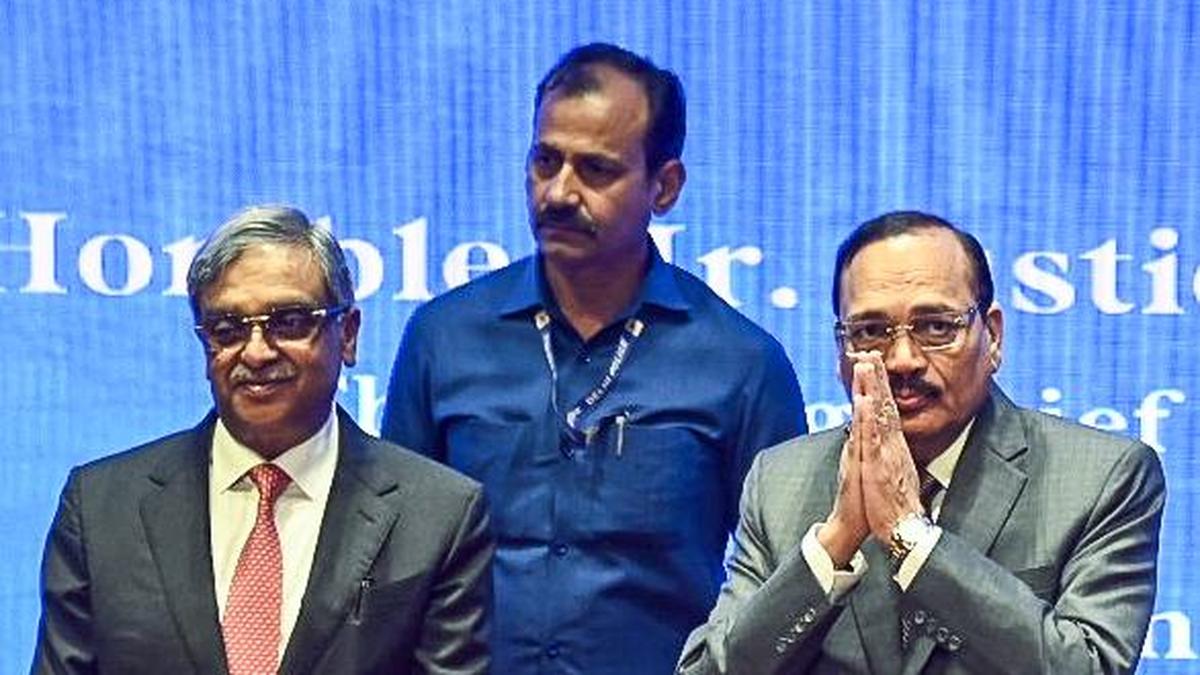
Chief Justice of India Surya Kant recently emphasized that the Constitution should steer judicial decisions wherever statutory law falls short. He pointed out that the judiciary is confronting a wave of novel questions that were scarcely imaginable a decade ago, calling for a deeper reliance on constitutional mandates.
Key Developments
During a recent address, CJI Surya Kant highlighted the growing complexity of legal issues that modern courts must navigate. He remarked that the absence of clear statutory guidance in many areas necessitates a principled constitutional approach to ensure justice and consistency.
"The judiciary is now confronted with questions which were scarcely imaginable a decade ago, and in such instances the Constitution must guide us where law is silent," said CJI Surya Kant.
Background & Context
The judiciary in India has historically dealt with evolving societal challenges. As new technologies, business models, and social norms emerge, the legal framework often lags behind, creating gaps that courts must fill. Surya Kant’s statement reflects a broader trend of courts seeking constitutional underpinnings to address these emerging gaps.
Impact & Analysis
- Legal Professionals: Lawyers may need to prepare more robust constitutional arguments for cases lacking clear statutory guidance.
- Judiciary: Judges might increasingly reference constitutional principles to resolve novel disputes, potentially leading to landmark judgments.
- Citizens: Greater reliance on constitutional values could promote clearer, more equitable legal outcomes.
- Policy Makers: The emphasis may drive legislative bodies to address gaps in the law proactively.
What Happens Next
The statement is part of a broader discussion on judicial practice and does not immediately alter existing statutes. However, it signals a potential shift in how courts may approach future cases, encouraging a constitutional lens in decision-making. The judiciary may incorporate this perspective into upcoming rulings, and legal scholars are likely to analyze its implications in forthcoming commentary.