BREAKING
Kolkata Ring Road Project 75% Complete, Fast-Track Link Opens Ahead of Schedule|Kolkata Metro Green Line: Commercial Services to Howrah Maidan Commence with Record Turnout|East Bengal vs Mohun Bagan: High-Voltage Kolkata Derby Scheduled for This Weekend at Salt Lake Stadium|Durga Puja 2026: North & South Kolkata Pandals Unveil Eco-Friendly Thematic Showcases|New Town Tech Corridor: Global IT Giants Announce 5,000+ New Job Openings This Quarter|Weather Alert: Pleasant Evening Breeze Forecast Across South Bengal and City Coast|Netaji Subhash Chandra Bose Airport Expands Contactless DigiYatra Terminal 2 Gates|Heritage Revival: Historic Tramway Line Recommissioning Approved by Transport Department|KMC Launches 24/7 Digital Citizen Portal for Instant Municipal Grievance Resolution|Hilsa Fish Supplies Surge in City Wholesale Markets, Bringing Relief to Consumers|Smart City Mission: Kolkata Ranks Among Top Urban Digital Centers Nationwide|Fire Safety Audit: Comprehensive Inspections Initiated Across Central Kolkata Markets|
Our Kolkata
InfrastructureLIVE UPDATEVerified by OurKolkata Newsroom

Closed brake valve suspected in Kolkata-Sairang Express derailment at Digaru, Assam

A six-member probe team investigating the November 11 derailment of the Kolkata‑Sairang Express at Digaru station in Assam says a closed brake‑pipe angle cock may have prevented the main brakes from working, causing the train to overshoot a red signal and derail. The crew reported the brakes were functional earlier, and safety experts note possible reliance on regenerative braking.

Closed brake valve suspected in Kolkata-Sairang Express derailment at Digaru, Assam
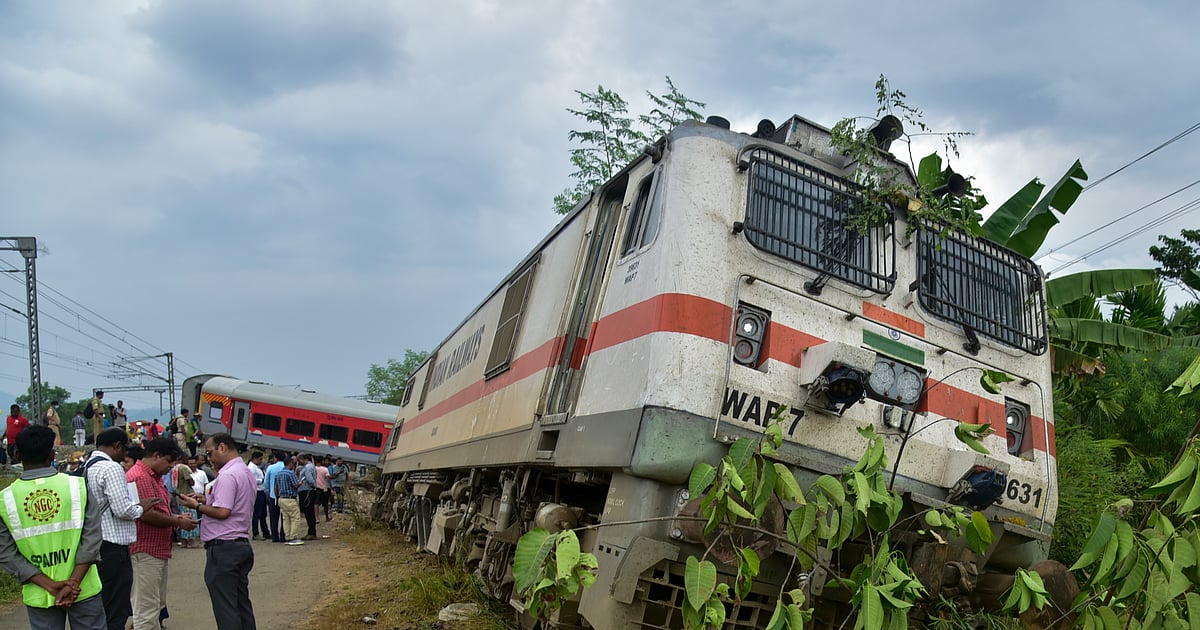
Closed brake valve suspected in Kolkata-Sairang Express derailment at Digaru, AssamPhoto via The New Indian Express

A six‑member probe team examining the November 11 derailment of the Kolkata‑Sairang Express at Digaru railway station in Assam has identified a closed brake‑pipe angle cock as a possible cause. The BP angle cock, which regulates compressed‑air flow to the train’s brakes, was found isolated in the locomotive, meaning brake pressure could not be applied even though the crew engaged the brakes.

The preliminary note states that while the crew applied the brakes, the closed cock would have stopped them from functioning. The investigation has not yet determined who isolated the valve or whether the crew verified its position before the train left Guwahati.

According to statements from the loco pilot, assistant pilot and guard, the braking system was working when they took charge at Guwahati around 5:30 am. The train was later stopped at Panbari at 6:16 am after a coach’s wheels overheated due to jammed brake pads; after about thirty minutes the service resumed at 6:46 am. Approaching Digaru, the station master directed the train into a loop line, but the brakes failed, the train passed a red signal, struck a dead‑end track and derailed.

Safety experts suggest the crew may have relied on the train’s regenerative braking and only discovered the main brakes were inoperative when trying to stop at Digaru. They question whether the angle cock was left closed after the Panbari brake‑pad work and not reopened before the train proceeded.

Was this story useful?
Share on WhatsApp