Overview
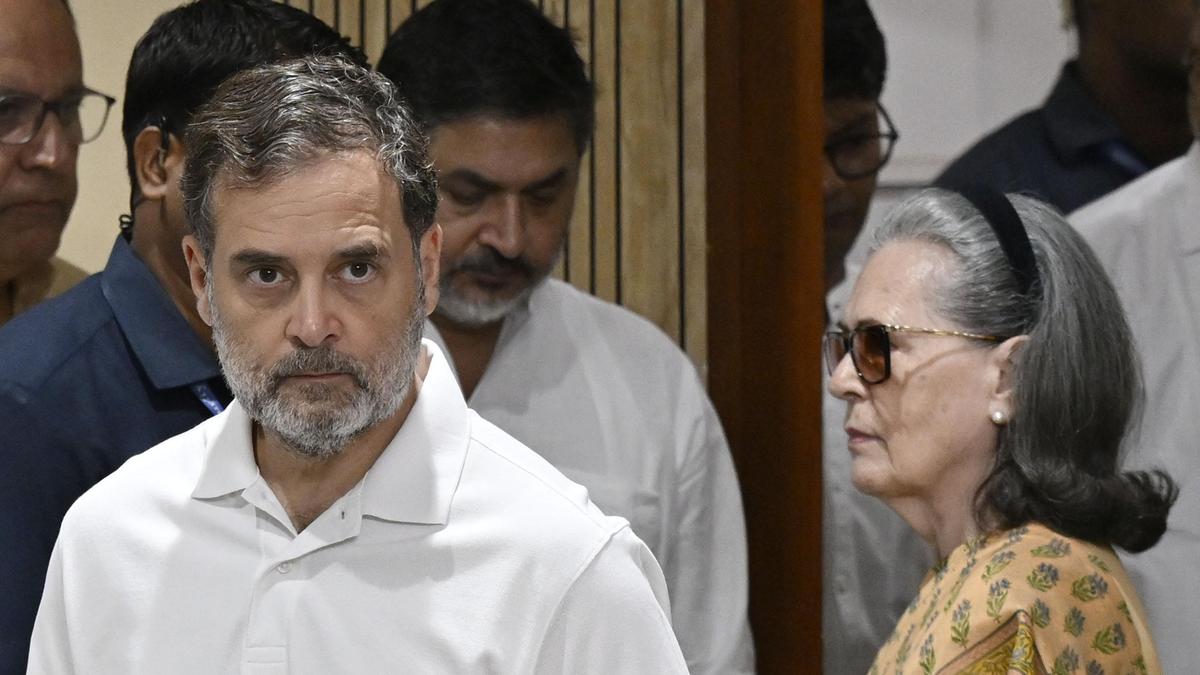
In a formal letter addressed to Congress leader Sonia Gandhi, the Chamber of Traders India (CTI) has urged the party to postpone its planned rally on November 1. The CTI cautions that the mass gathering, anticipated to attract around one million participants, could disrupt business transactions amounting to ₹10,000–12,000 crore in Delhi’s wholesale and retail hubs during the bustling festive period.
Key Developments
- CTI’s letter highlights potential disruptions to Delhi’s market operations, especially in central and Old Delhi where trade activity peaks during late‑October and early‑November.
- The rally is expected to draw roughly 10 lakh people, raising concerns over crowd control, traffic congestion, and security measures that may impede market access.
- The traders’ body specifically points to a risk of significant financial loss for vendors and wholesalers due to possible shutdowns or restricted movement.
Background & Context
Delhi’s wholesale and retail markets, such as Chandni Chowk and Old Delhi, are critical nodes for the national economy, especially during major festivals when consumer demand surges. Political rallies in these areas have historically led to temporary closures, road blockages, and heightened security protocols that can deter shoppers and supply chain operations.
Impact & Analysis
- Financial Losses: Traders fear a hit of ₹10,000–12,000 crore if market activity is curtailed.
- Supply Chain Disruptions: Delays in goods movement could ripple across regional markets, including West Bengal.
- Consumer Access: Shoppers may face limited availability of goods and higher prices during the festive season.
- Security Concerns: Large crowds and heightened security could divert police resources from routine market oversight.
What Happens Next
- CTI is awaiting a response from Congress regarding the postponement request.
- Market authorities may issue guidelines on traffic and crowd management if the rally proceeds as planned.
- Traders across West Bengal are monitoring the situation closely, anticipating potential impacts on inter‑state trade flows.
The outcome of this appeal could influence how political events are scheduled around critical commercial periods in India’s capital.