Overview
Cyclone Arnab struck the coastal belt of north Andhra Pradesh, unleashing violent winds and heavy rainfall. The cyclone’s passage resulted in five fatalities, the uprooting of more than 1,000 trees, and significant damage to agricultural land covering 80,500 hectares.
Key Developments
- Fatalities: Five residents died due to the cyclone’s force.
- Wind Speeds: Gusts reached up to 150 km/h across affected districts.
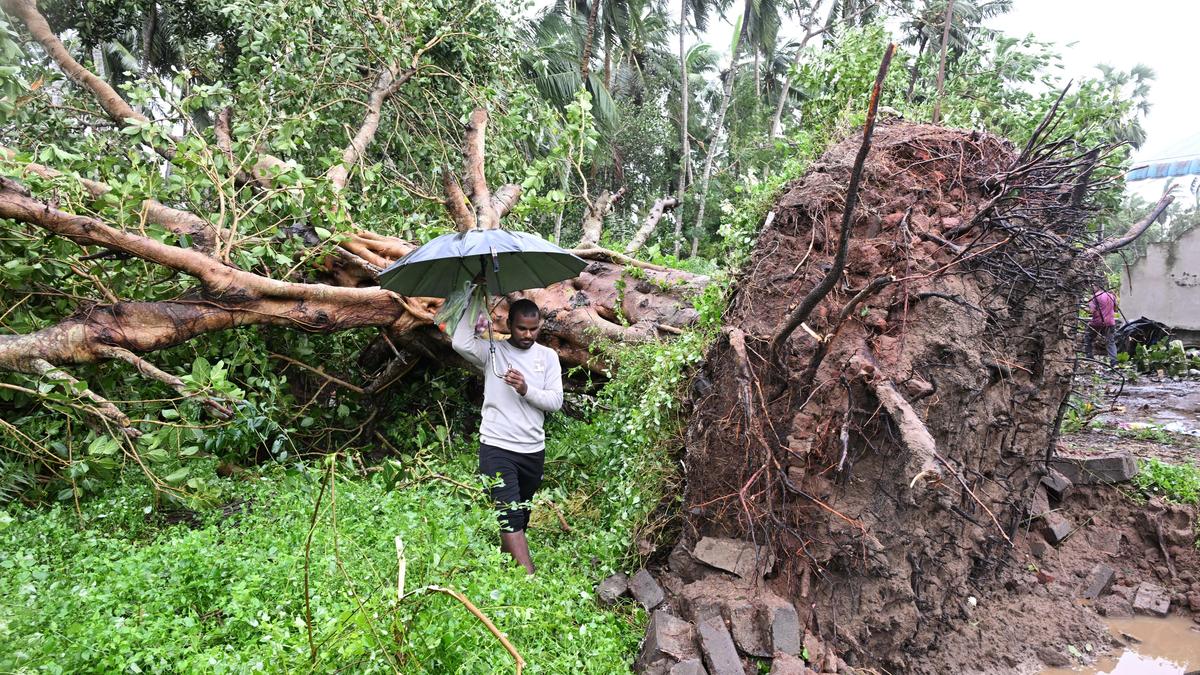
- Vegetation Damage: Over 1,000 trees were uprooted, threatening property and infrastructure.
- Agricultural Impact: 80,500 hectares of crops were damaged, affecting local food supply and farmer livelihoods.
Background & Context
Cyclone Arnab formed in the Bay of Bengal in early October 2026 and tracked northward, gathering strength before making landfall along the eastern coast. The region’s monsoon season already strained water supplies, and the cyclone compounded these challenges by delivering unprecedented rainfall.
Impact & Analysis
- Human toll: The loss of five lives underscores the cyclone’s severity.
- Economic loss: Crop damage threatens local farmers’ income and could raise market prices.
- Infrastructure risk: Uprooted trees and wind damage pose ongoing hazards to roads, power lines, and buildings.
- Public safety: Authorities have urged residents in low‑lying areas to seek higher ground and stay alert for further advisories.
What Happens Next
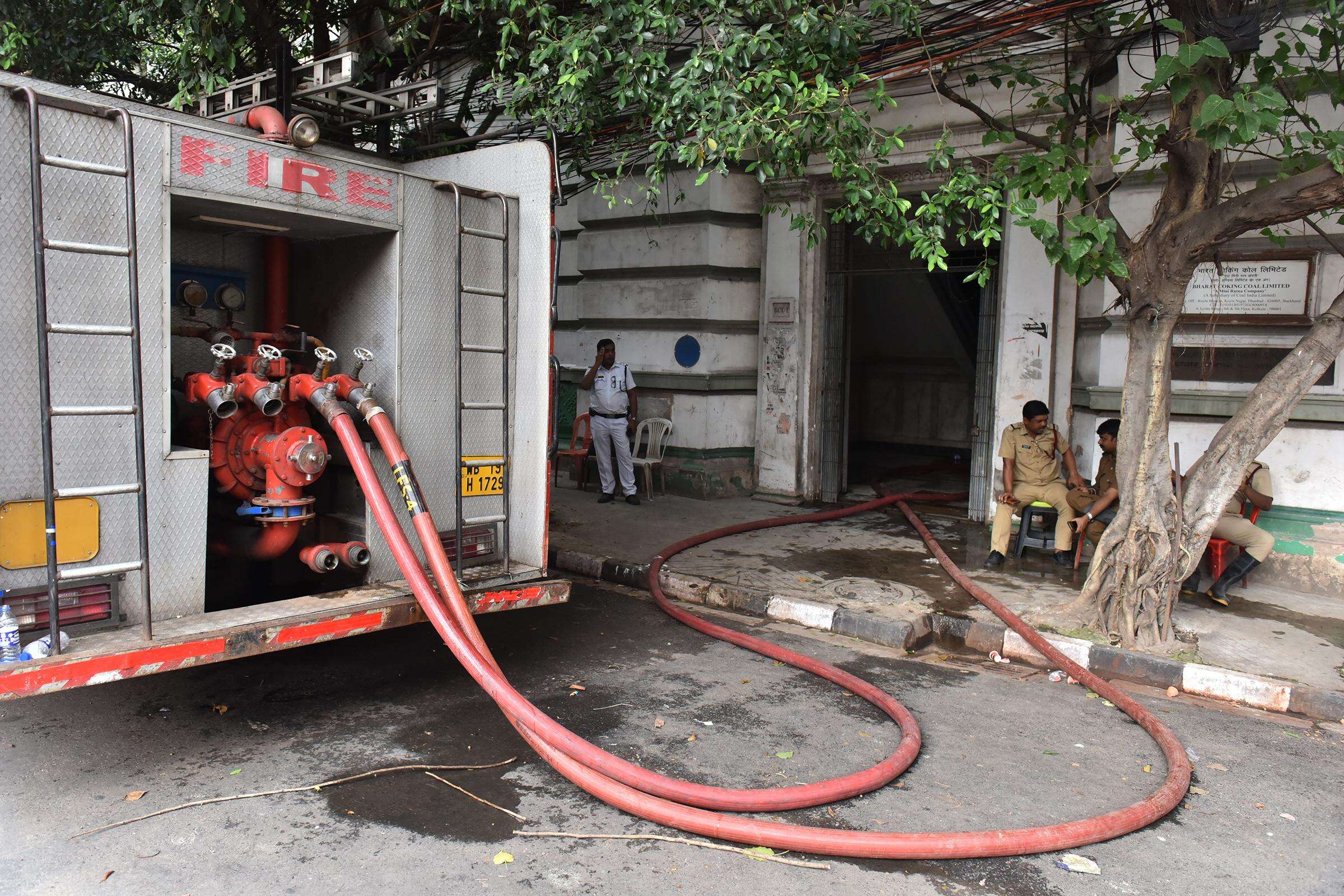
- The state disaster management authorities are coordinating rescue and relief operations.
- Evacuation centers have been set up in vulnerable districts.
- An assessment of crop damage will be conducted to determine compensation eligibility.
- Updated weather forecasts and cyclone tracking will continue to be issued by the India Meteorological Department.