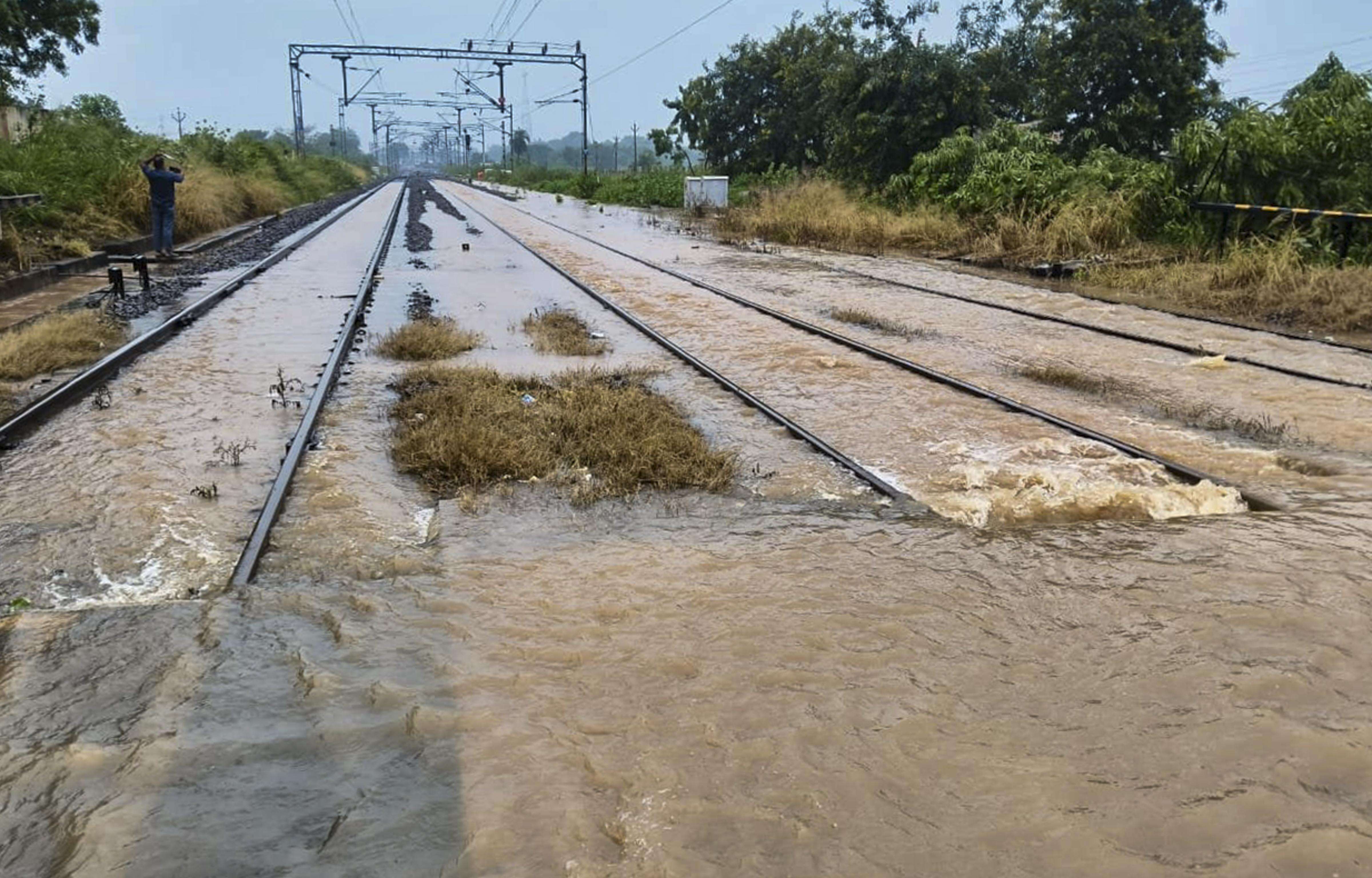
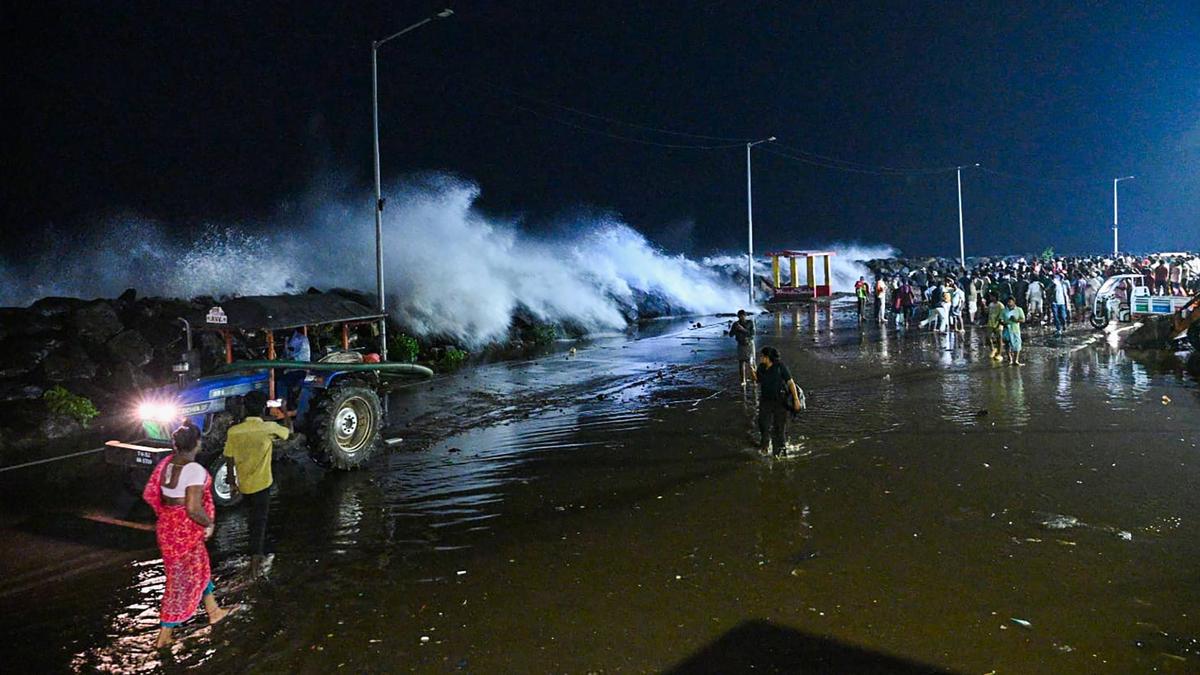
The cyclone, named Arnab, is expected to make landfall around dawn on the day it is forecasted to hit the coast of Andhra Pradesh. The storm has triggered widespread disruptions, with the state canceling several flights and train services, and taking about 30,000 fishing boats ashore to safeguard them from the impending gale.
Key Developments
- Andhra Pradesh authorities have suspended multiple flight routes and halted train services to prevent passenger exposure to the storm.
- Coastal fishing fleets totaling approximately 30,000 vessels have been moved inland as a precautionary measure.
- In Odisha, especially the southern districts, ghat roads have been closed, and transport curbs have been imposed to deter vehicular movement on the roads.
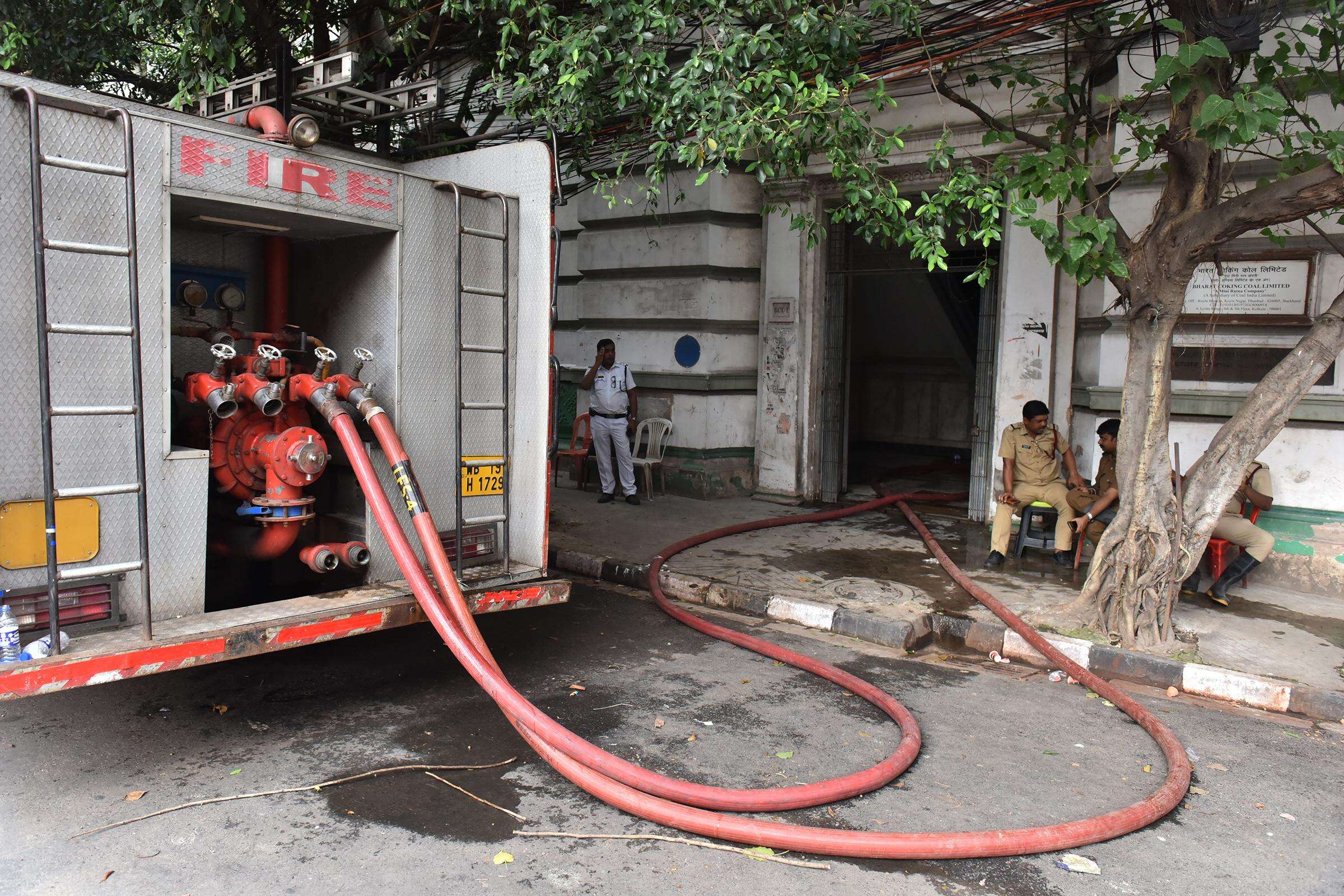
- Massive evacuation operations have begun in both states, with local officials coordinating shelters for stranded residents.
Background & Context
Cyclone Arnab originated in the Bay of Bengal and has intensified into a severe tropical cyclone. Meteorological agencies predict high winds, heavy rainfall, and storm surges along the coastal belt of Andhra Pradesh and southern Odisha. The region’s low‑lying areas have historically suffered significant damage from similar storms, prompting preemptive measures.
Impact & Analysis
- Travel Disruptions: Passengers are stranded due to canceled flights and train services, affecting both local commuters and tourists.
- Economic Concerns: The fishing industry faces potential losses as boats are relocated and operations halt.
- Public Safety: Evacuation efforts aim to minimize casualties, but the sheer number of displaced residents poses logistical challenges.
- Infrastructure Strain: Road closures, especially on ghat routes, may delay emergency response and relief delivery.
What Happens Next
- Meteorologists will continue monitoring the cyclone’s path and intensity, issuing updates on potential landfall timing.
- State transportation departments will reassess flight and train schedules as the storm approaches.
- Local authorities will expand evacuation sites and ensure that essential supplies reach affected communities.
- Residents are advised to stay informed through official channels and to follow safety protocols.