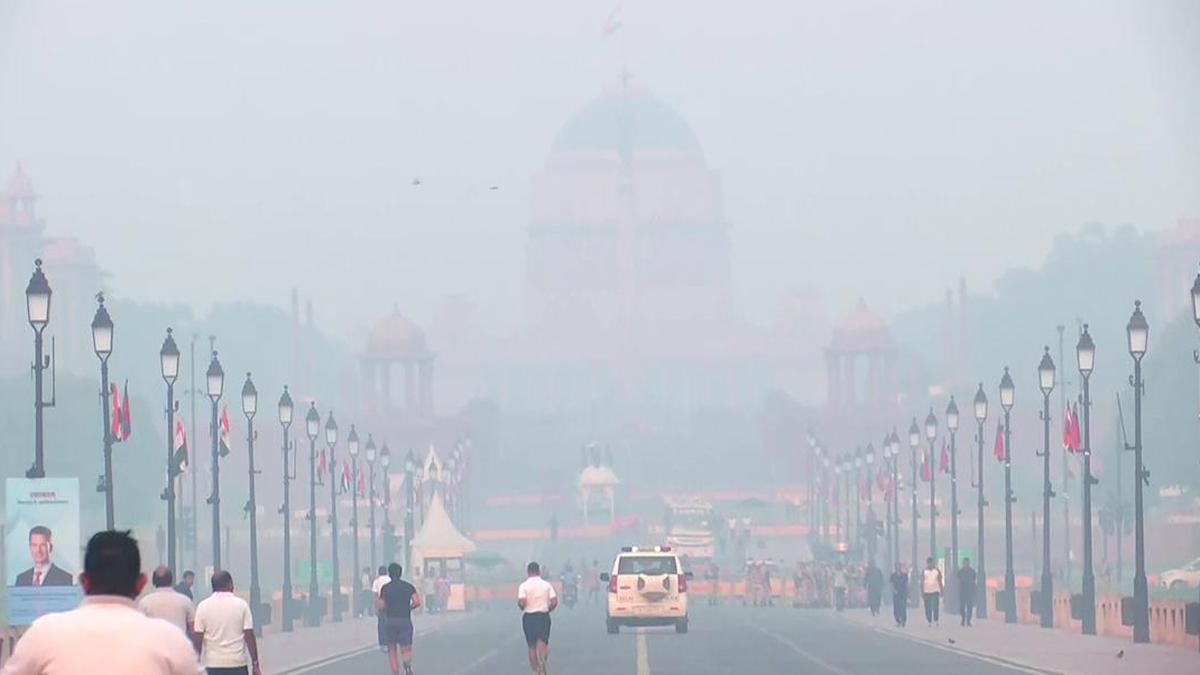
The Central Pollution Control Board (CPCB) released data showing Delhi’s 24‑hour average Air Quality Index (AQI) reached 232 at 9 a.m. on October 28, placing the city’s air quality in the ‘poor’ category.
Key Developments
- 24‑hour AQI: 232 (poor)
- Time of measurement: 9 a.m.
- Source: Central Pollution Control Board (CPCB)
Background & Context
Delhi regularly experiences high pollution levels, especially during winter months when temperature inversions trap pollutants over the city. The AQI value of 232 is above the WHO guideline of 100 for 24‑hour averages and indicates significant concentrations of fine particulate matter (PM2.5) and other pollutants.
Impact & Analysis
- Health Risks: Poor air quality can aggravate respiratory and cardiovascular conditions.
- Public Advisory: Health authorities typically issue warnings, urging vulnerable groups to limit outdoor activity.
- Transport & Economy: Elevated pollution may affect commuter patterns and reduce productivity.
- Long‑term Concerns: Persistent high AQI values contribute to chronic health burdens in Delhi.
What Happens Next
- The Delhi Pollution Control Committee may issue further advisories or restrictions on vehicular traffic.
- CPCB will continue monitoring and publish daily updates.
- Authorities may launch or intensify mitigation measures such as traffic restrictions, green initiatives, and industrial emission controls.
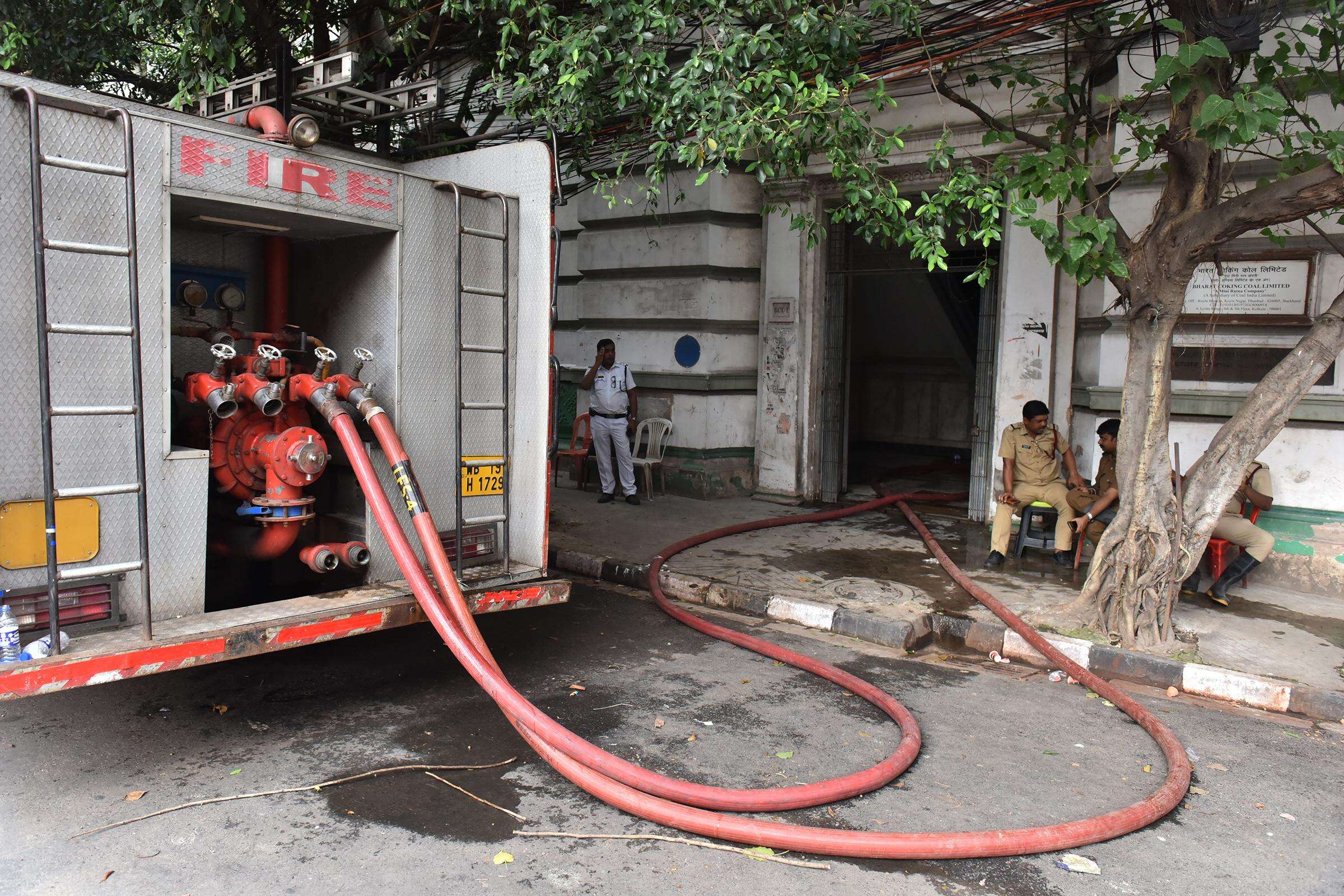
While the data specifically concerns Delhi, residents in West Bengal, especially Kolkata, remain attentive to national pollution trends as they can influence regional air quality patterns.