Eighteen years after ten gunmen landed in south Mumbai and killed 166 people – commuters at the railway terminus, diners at Leopold Café, guests and staff at two hotels, a young rabbi and his wife at Nariman House, and police officers – the city continues to mourn. Yet the planners of the massacre remain beyond the reach of any court, a failure rooted in diplomatic obstruction and protracted legal processes.
Britain proscribed Lashkar‑e‑Taiba in March 2001, the United States designated it in December 2001, and Canada, Australia and the European Union followed suit. In November 2023 Israel added the group to its terrorist list, although India has not formally requested such a designation, marking fifteen years since the attacks.
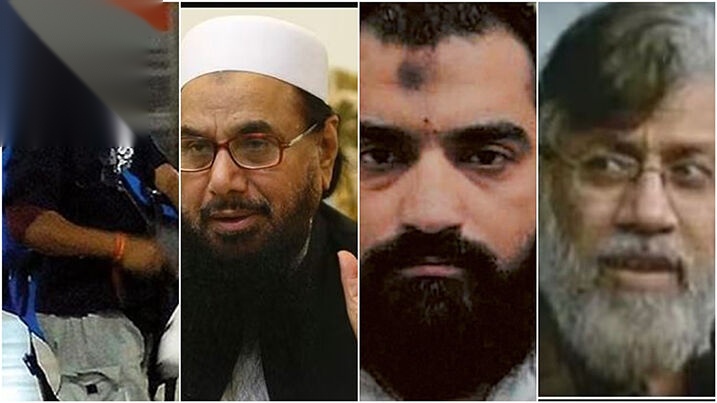
The UN Security Council listed Lashkar‑e‑Taiba in 2005 and quickly added its founder Hafiz Saeed and operations commander Zaki‑ur‑Rehman Lakhvi to the 1267 sanctions list. The sanctions committee, which acts only by consensus, has since stalled, allowing a single member to shield allied proxies. When India and the United States sought sanctions on Sajid Mir, whose recorded voice directed the gunmen, China postponed the proposal in 2022 and blocked it in 2023. Pakistan, with Chinese assistance, has continued to protect The Resistance Front, a Lashkar front linked to recent killings.
"Assistant Sub‑Inspector Tukaram Omble seized the barrel of Ajmal Kasab’s rifle and held on as it was fired into him."
A sanctions listing does not equate to a conviction. Lakhvi, despite being on the UN list, was granted bail by a Pakistani court in December 2014 and released the following April. When Pakistan eventually convicted Lashkar leaders under pressure from the Financial Action Task Force, the charges were limited to terror financing, leaving no one convicted for the Mumbai attacks. The pattern suggests Islamabad concedes to external pressure that can be measured while resisting actions that would implicate the state itself.