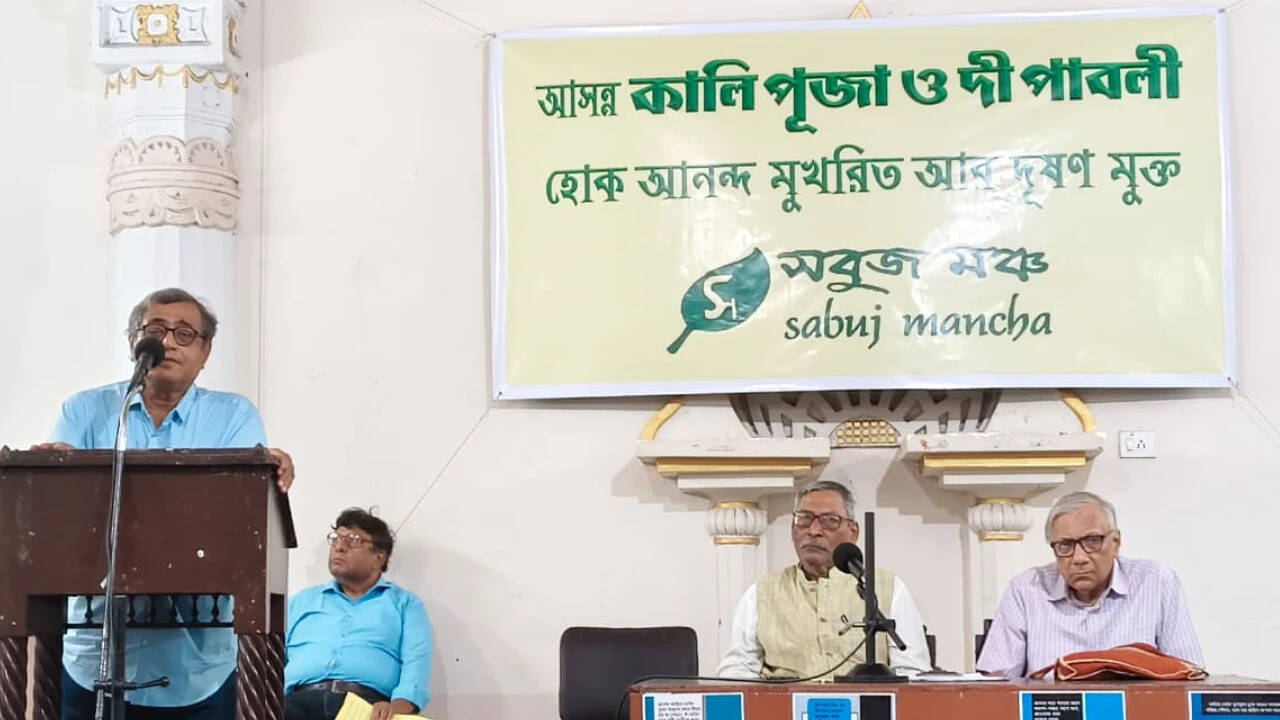
A meeting of a parliamentary committee on simultaneous polling saw the presence of several prominent economists, who joined the session as stakeholders.
Key Developments
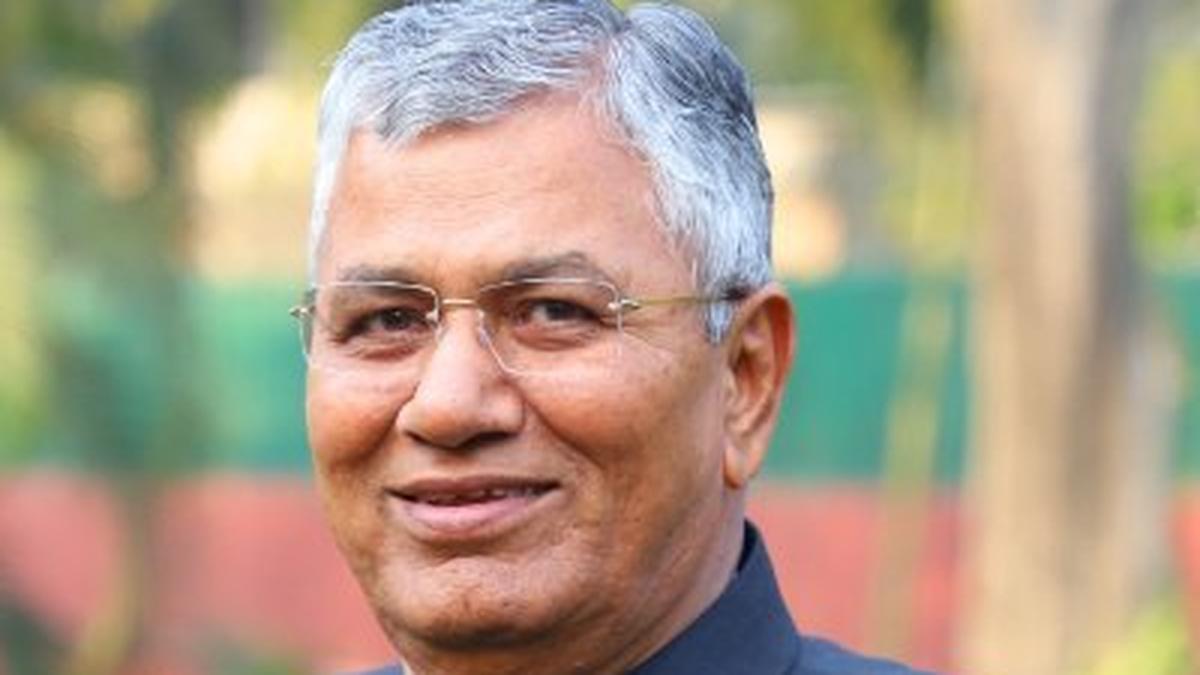
During the session, the economists spoke to the committee, offering their expert perspectives on how simultaneous polls could be structured and managed. BJP Member of Parliament P.P. Chaudhary noted that the economists’ participation would bring valuable insights to the discussion.
"I believe their inputs will be valuable," remarked P.P. Chaudhary.
Background & Context
The committee was convened to evaluate the feasibility and implications of conducting multiple elections simultaneously across the country. Bringing in economic experts is a common practice to assess the financial and administrative impacts of such electoral arrangements.
Impact & Analysis
- The economists’ recommendations may influence policy decisions on election scheduling and resource allocation.
- Their analysis could shape future electoral reforms and impact how polls are organized across states.
- Stakeholders, including political parties and voters, will monitor how the committee incorporates these expert views into its final report.
What Happens Next
The committee will review the economists’ input and incorporate it into its draft recommendations. A follow‑up meeting is expected before the final report is submitted to the Parliament. The outcome will likely be discussed in the next parliamentary session.