BREAKING
Kolkata Ring Road Project 75% Complete, Fast-Track Link Opens Ahead of Schedule|Kolkata Metro Green Line: Commercial Services to Howrah Maidan Commence with Record Turnout|East Bengal vs Mohun Bagan: High-Voltage Kolkata Derby Scheduled for This Weekend at Salt Lake Stadium|Durga Puja 2026: North & South Kolkata Pandals Unveil Eco-Friendly Thematic Showcases|New Town Tech Corridor: Global IT Giants Announce 5,000+ New Job Openings This Quarter|Weather Alert: Pleasant Evening Breeze Forecast Across South Bengal and City Coast|Netaji Subhash Chandra Bose Airport Expands Contactless DigiYatra Terminal 2 Gates|Heritage Revival: Historic Tramway Line Recommissioning Approved by Transport Department|KMC Launches 24/7 Digital Citizen Portal for Instant Municipal Grievance Resolution|Hilsa Fish Supplies Surge in City Wholesale Markets, Bringing Relief to Consumers|Smart City Mission: Kolkata Ranks Among Top Urban Digital Centers Nationwide|Fire Safety Audit: Comprehensive Inspections Initiated Across Central Kolkata Markets|
Our Kolkata
BusinessLIVE UPDATEVerified by OurKolkata Newsroom

India Turns Hilsa Exporter, Reversing Long‑Standing Trade Trend

For years, India, particularly West Bengal’s Kolkata, has relied on imports of the prized Hilsa fish from Bangladesh. Recent reports indicate a shift: Indian fish farms are now producing enough Hilsa to export to other markets, marking a notable change in the regional fish trade. The move could alter culinary and economic dynamics in the area.

India Turns Hilsa Exporter, Reversing Long‑Standing Trade Trend
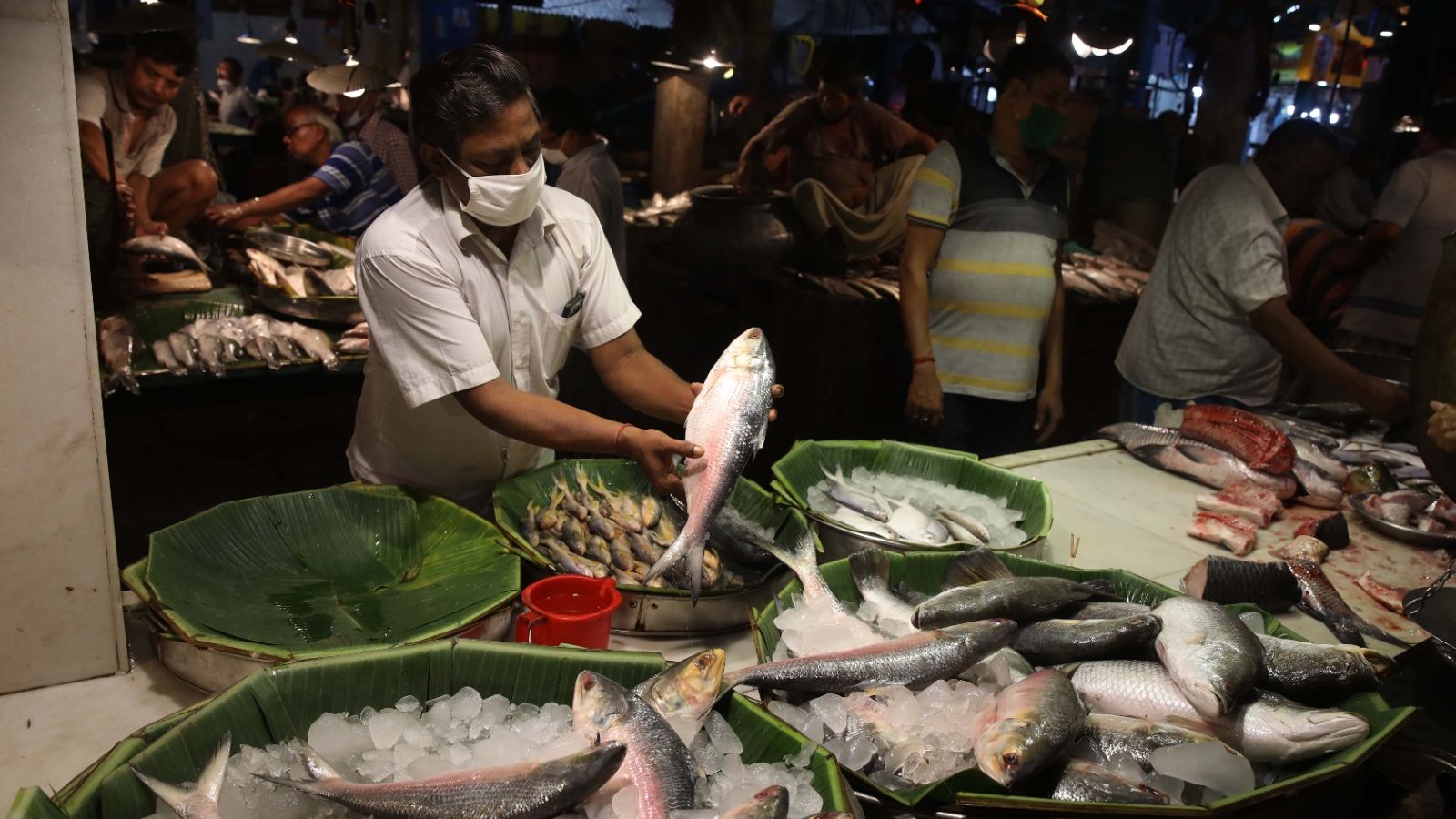
India Turns Hilsa Exporter, Reversing Long‑Standing Trade TrendPhoto via Indian Express — Kolkata

For many years, Kolkata’s food culture has depended on Hilsa fish that is imported from Bangladesh. The recent development that India has begun exporting Hilsa marks a reversal of that long‑standing pattern. The move signals growth in local fish farming and could reshape trade flows in the Bay of Bengal region.

While details on volumes and destinations remain sparse, the fact that Indian producers can now supply Hilsa beyond domestic demand is significant for the local economy. It may create new opportunities for fishermen and businesses in West Bengal.

The shift also reflects broader trends in aquaculture, where advances in fish‑raising techniques are enabling regions to meet previously unmet demand. As the fish industry evolves, stakeholders will watch how this new export capacity influences prices and culinary traditions.

The news is not yet breaking news but could be a milestone for Kolkata’s fish market. Further updates are expected as data on export volumes becomes available.


Was this story useful?
Share on WhatsApp