
Overview
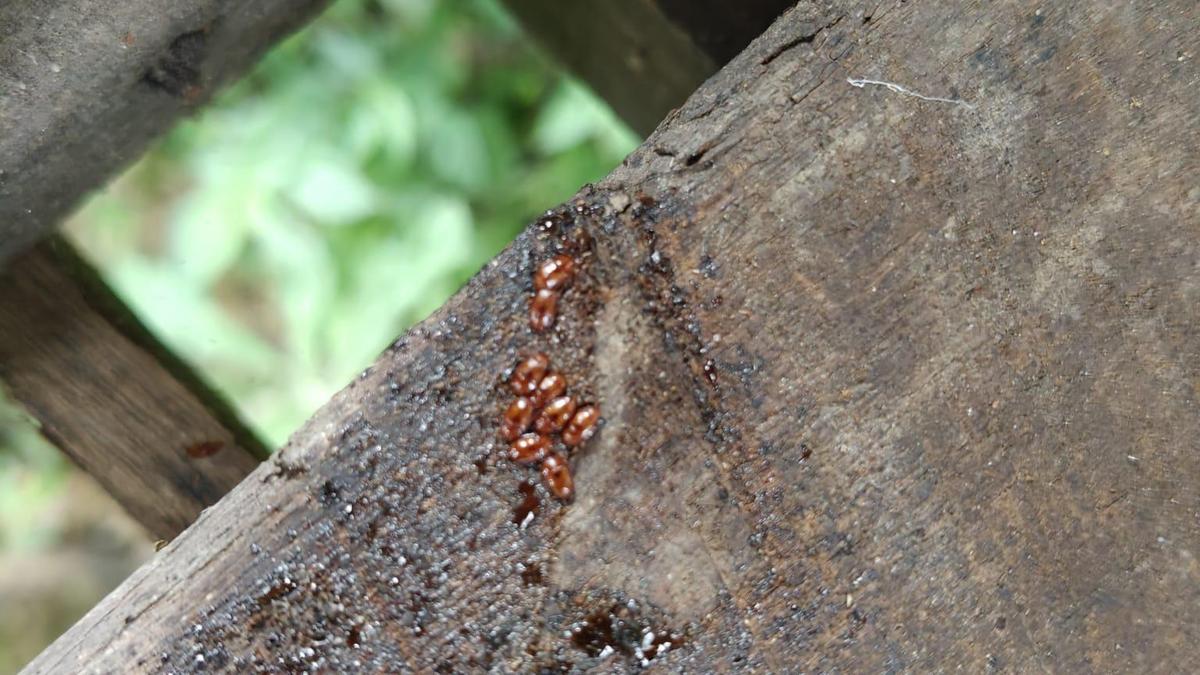
Karnataka’s beekeepers are still grappling with the small hive beetle (Aethina tumida), a pest that was confirmed by researchers at the University of Agricultural Sciences (UAS) Bangalore as a destructive invasive scavenger. The insect attacks honey bee colonies, depleting honey and pollen stores.
Key Developments
- UAS Bangalore researchers identified the beetle’s role in damaging honey bee colonies.
- The beetle feeds on honey, pollen, and even bee larvae, weakening colony health.
- The pest’s presence has been linked to reduced honey yields and increased bee mortality in affected regions.
Background & Context
The small hive beetle is native to sub‑Saharan Africa but has spread worldwide, threatening apiculture. In Karnataka, the pest has been a persistent problem for local beekeepers, especially after two years of research that highlighted its destructive impact on colonies.
Impact & Analysis
- Honey production: Declining yields may drive up honey prices for consumers.
- Beekeeping economy: Beekeepers face higher costs for protective measures and potential losses in income.
- Pollination services: Weak colonies reduce pollination efficiency for crops, affecting agricultural output.
- Public health: Bees are essential pollinators; their decline could have cascading ecological effects.
What Happens Next
- UAS Bangalore is developing integrated pest‑management strategies, including trap designs and chemical controls.
- Beekeepers are encouraged to adopt preventative measures such as hive inspections and the use of traps.
- State authorities may review regulatory guidelines to support affected apiarists.
- Further studies are planned to monitor beetle spread and assess long‑term mitigation effectiveness.