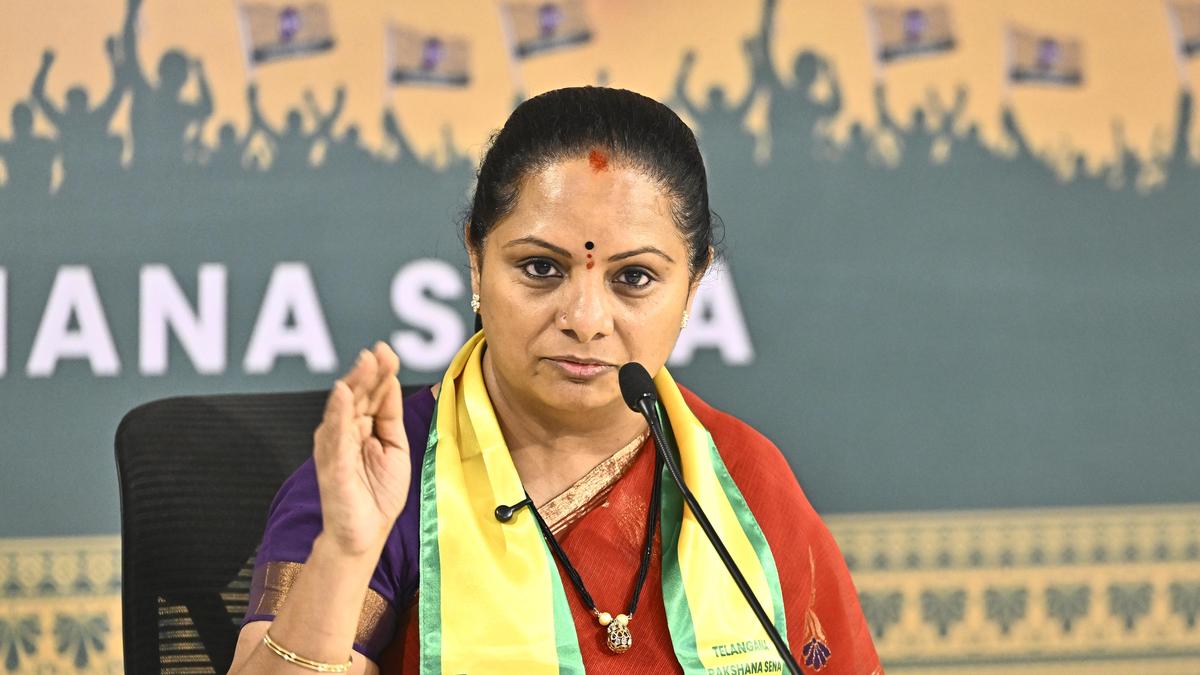
Kavitha, a prominent political figure, has publicly threatened to halt census operations across India if the Central Government does not introduce a dedicated column for Other Backward Classes (OBC) in the forthcoming census. The declaration comes amid growing demands for clearer representation of OBC communities in official statistics.
Key Developments
- Kavitha has issued a statement demanding the addition of an OBC column in the national census.
- She has warned that failure to comply will lead to active obstruction of census work, potentially affecting data collection across the country.
- The Hyderabad Declaration, signed by several political leaders, adopted nine resolutions addressing caste census methodology and reservation schemes.
Background & Context
The Indian census has historically excluded a separate category for OBCs, a move many argue masks the true demographic and socio-economic status of these communities. The Hyderabad Declaration seeks to rectify this by proposing structural changes to how caste data is recorded and used for reservations.
Impact & Analysis
- Data Accuracy: Absence of an OBC column may continue to underrepresent the population of OBC communities, affecting resource allocation.
- Reservation Policies: Clearer caste data could influence future reservation quotas in education, employment, and government contracts.
- Administrative Burden: Potential census disruptions could delay data collection and increase costs.
- Political Tension: Kavitha’s threat may intensify debates between central and state governments over reservation reforms.
What Happens Next
- The Ministry of Home Affairs is set to review Kavitha’s demands and the Hyderabad Declaration’s resolutions.
- A committee may be formed to examine the feasibility of adding an OBC column to the census.
- The next parliamentary session will likely address the broader issue of caste-based data collection and reservation policy adjustments.