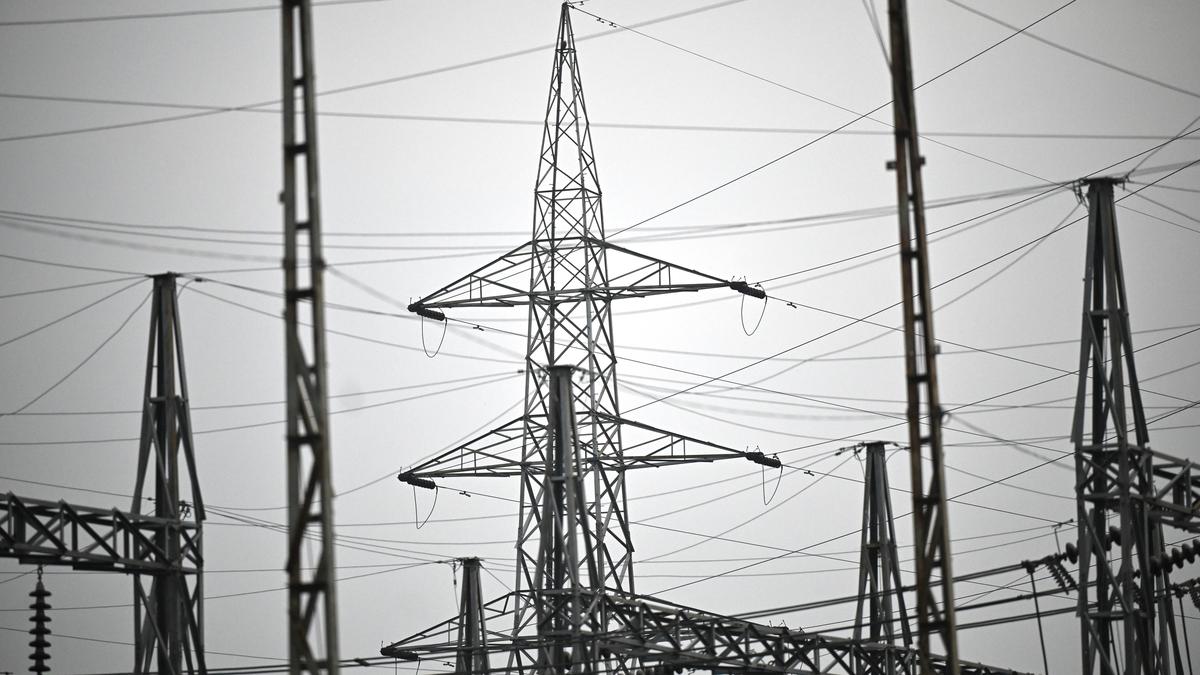
Kerala is considering the potential of nuclear energy to ensure long-term energy security, as outlined in the Approach Paper for the 15th Five-Year Plan covering the 2027-2032 period. The State Planning Board has indicated that the government will evaluate Small Modular Reactors (SMRs) specifically regarding their safety, siting, feasibility, and impact on the power grid.
The move comes as the state currently generates only 25% of its electricity demand internally. To address this gap, the paper suggests systematic investments in modular reactors, pumped storage, and both large and local battery energy storage systems (BESS). The state also intends to promote decentralized generation and household energy production, while assessing the viability of offshore wind and green hydrogen.
While the state aims to make an informed decision, the paper notes that nuclear energy is a Union subject, meaning Kerala's role would be limited to engagement, grid readiness, and siting. This cautious approach follows public opposition to nuclear power plants in the 1980s.
SMRs, defined by the International Atomic Energy Agency (IAEA) as reactors with a capacity up to 300 MWe, are a key part of India's broader strategy. The 2025-26 Union Budget earmarked ₹20,000 crore for SMR research and deployment. The Department of Atomic Energy is currently developing the 220 MWe Bharat Small Modular Reactor (BSMR-200), the 55 MWe SMR-55, and a high-temperature gas-cooled reactor for hydrogen production.