
BREAKING
Kolkata Ring Road Project 75% Complete, Fast-Track Link Opens Ahead of Schedule|Kolkata Metro Green Line: Commercial Services to Howrah Maidan Commence with Record Turnout|East Bengal vs Mohun Bagan: High-Voltage Kolkata Derby Scheduled for This Weekend at Salt Lake Stadium|Durga Puja 2026: North & South Kolkata Pandals Unveil Eco-Friendly Thematic Showcases|New Town Tech Corridor: Global IT Giants Announce 5,000+ New Job Openings This Quarter|Weather Alert: Pleasant Evening Breeze Forecast Across South Bengal and City Coast|Netaji Subhash Chandra Bose Airport Expands Contactless DigiYatra Terminal 2 Gates|Heritage Revival: Historic Tramway Line Recommissioning Approved by Transport Department|KMC Launches 24/7 Digital Citizen Portal for Instant Municipal Grievance Resolution|Hilsa Fish Supplies Surge in City Wholesale Markets, Bringing Relief to Consumers|Smart City Mission: Kolkata Ranks Among Top Urban Digital Centers Nationwide|Fire Safety Audit: Comprehensive Inspections Initiated Across Central Kolkata Markets|
Our Kolkata
HealthLIVE UPDATEVerified by OurKolkata Newsroom

Lancet Review Urges Clinical Assessment Over Routine Scans for Back Pain

A recent Lancet review recommends that doctors in West Bengal focus on patient education, physical activity, and a thorough clinical assessment for back pain, rather than defaulting to imaging. Imaging should be reserved for cases where serious pathology is suspected. The guidelines aim to reduce unnecessary scans, lower costs, and improve patient outcomes by emphasizing history-taking and physical examination. This shift could change how specialists in Kolkata, Howrah, and other districts manage common back pain cases.

Lancet Review Urges Clinical Assessment Over Routine Scans for Back Pain
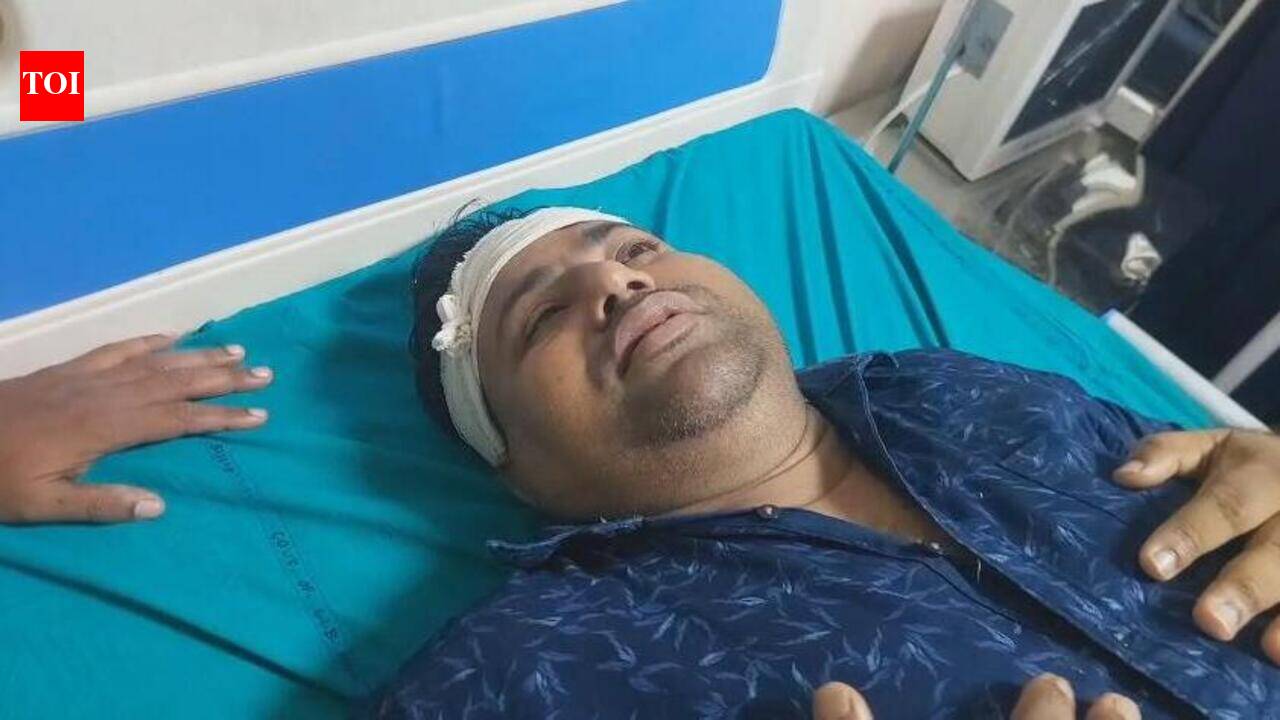
Lancet Review Urges Clinical Assessment Over Routine Scans for Back PainPhoto via The Hindu — National

The Lancet published a review urging medical practitioners across West Bengal to rely primarily on clinical assessment when treating patients with back pain. Instead of routine imaging, doctors should prioritize detailed patient history, physical examination, and education about safe movement and exercise.

The guidelines state that imaging studies such as X‑rays or MRIs should be ordered only when red‑flag symptoms—such as severe neurological deficits or suspected serious disease—are present. By limiting unnecessary scans, the review expects to curb healthcare costs and avoid incidental findings that may lead to unwarranted interventions.

West Bengal’s healthcare community is expected to incorporate these recommendations into practice, especially in busy tertiary centres in Kolkata and Howrah. The emphasis on patient education and exercise aligns with national initiatives to promote preventive care and reduce the burden of musculoskeletal disorders.

Clinicians are encouraged to adopt a stepwise approach: first, conduct a thorough history and physical exam; second, discuss lifestyle and exercise modifications; and third, reserve imaging for specific indications. The review highlights that such an approach can enhance diagnostic accuracy and improve patient confidence in non‑invasive management.


Was this story useful?
Share on WhatsApp