Overview
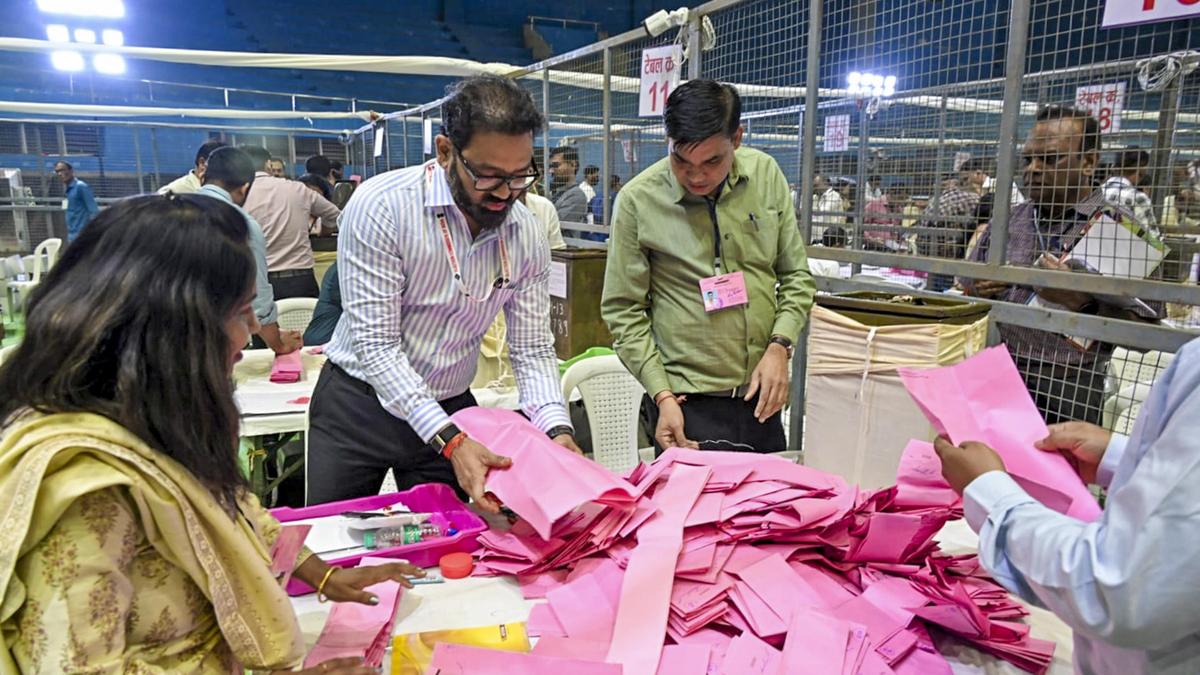
The 2026 Maharashtra Legislative Council elections concluded with a mix of expected and surprising outcomes. The Indian National Congress managed a noteworthy victory in Nagpur—a BJP bastion—while the RSS headquarters saw a contest that edged in Congress’s favour. Meanwhile, Sharad Pawar’s Maha Vikas Aghadi (MVA) achieved a clean sweep of all three graduate constituencies, and the Maha Yuti group captured both teacher constituencies.
Key Developments
- Congress secured a win in Nagpur, a city long considered a BJP stronghold, and also performed well at the RSS headquarters.
- Maha Vikas Aghadi won every one of the three graduate seats contested, demonstrating a 100 % success rate.
- Maha Yuti captured both teacher constituencies, adding to its influence in the council.
Background & Context
The Legislative Council (MLC) is the upper house of the Maharashtra legislature, with members elected by various electorates including graduates and teachers. The 2026 elections were seen as a barometer for public sentiment ahead of the state’s general elections. Historically, the BJP has dominated many urban centres, but the recent results show a potential shift.
Impact & Analysis
- Political Balance: Congress’s foothold in Nagpur may alter legislative dynamics, providing a platform for opposition voices in a BJP‑heavy council.
- Policy Influence: MVA’s dominance in graduate constituencies could strengthen its agenda on education, infrastructure, and social welfare.
- Regional Sentiment: Maha Yuti’s success in teacher seats signals growing support for educational reforms.
- West Bengal Readers: While the outcomes are state‑specific, they illustrate how regional parties can challenge national parties in key constituencies.
What Happens Next
- The newly elected MLC members will be sworn in early next month.
- Legislative sessions will commence, with potential debates on state budgets, development projects, and policy reforms.
- Political parties are likely to form alliances or negotiate support for a majority in the council.
This development marks a significant moment in Maharashtra’s political landscape, with implications that may ripple across the broader Indian political arena.