Overview
Mudal, situated in the Tiruvannamalai district of Tamil Nadu, holds the distinction of being the first dedicated settlement for newly converted Christians in the state. Founded in 1799, the village is often cited as a pioneering Christian enclave in India and, according to some historians, possibly the earliest in Asia.
Key Developments
- Founding Year: 1799
- Purpose: Exclusive community for converts
- Location: Tiruvannamalai district, Tamil Nadu
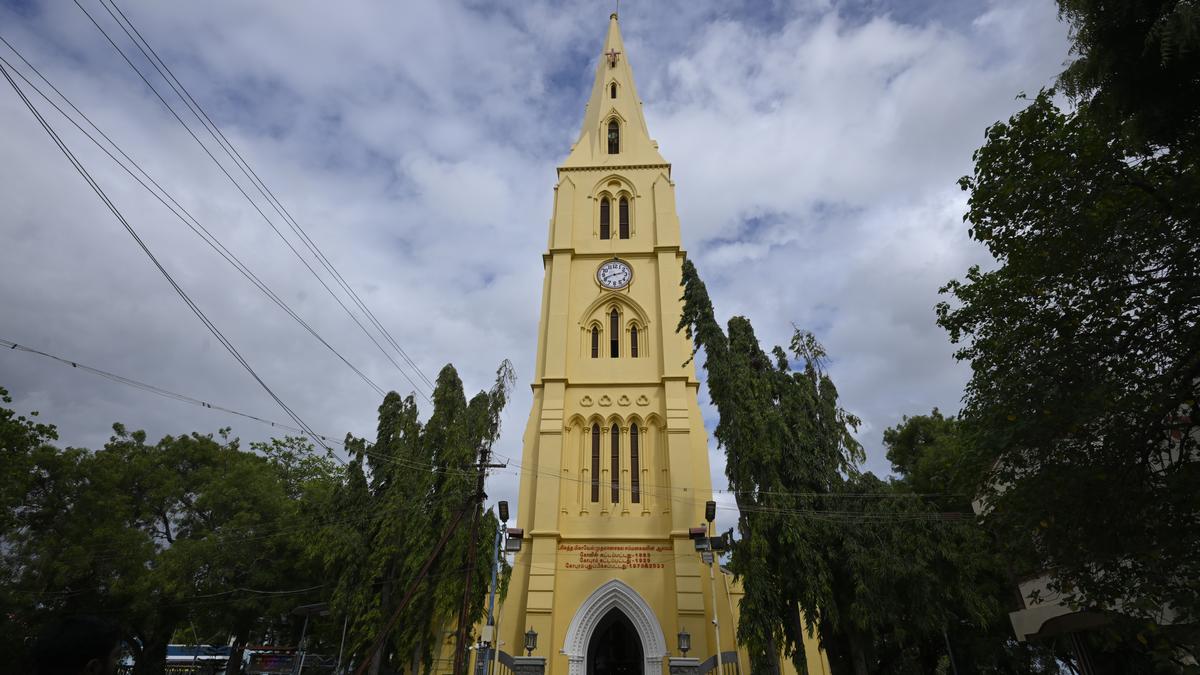
- Architectural Highlight: A notable church tower that remains a landmark within the village
Background & Context
In the late 18th century, missionary efforts in South India led to the establishment of dedicated Christian settlements. Mudal was created to provide a supportive environment for converts, offering spiritual guidance, communal life, and protection from social discrimination prevalent at the time.
Impact & Analysis
- Cultural Significance: Mudal serves as a living testament to early Christian missionary influence in South India.
- Tourism Potential: The historic church tower and village layout can attract heritage tourism, fostering local economic growth.
- Community Identity: The settlement’s legacy reinforces a distinct communal identity for its residents.
What Happens Next
Local heritage bodies and the state tourism department are exploring ways to preserve Mudal’s architectural assets and promote it as a heritage site. Further research may clarify its claim as the earliest Christian village in Asia.