Overview
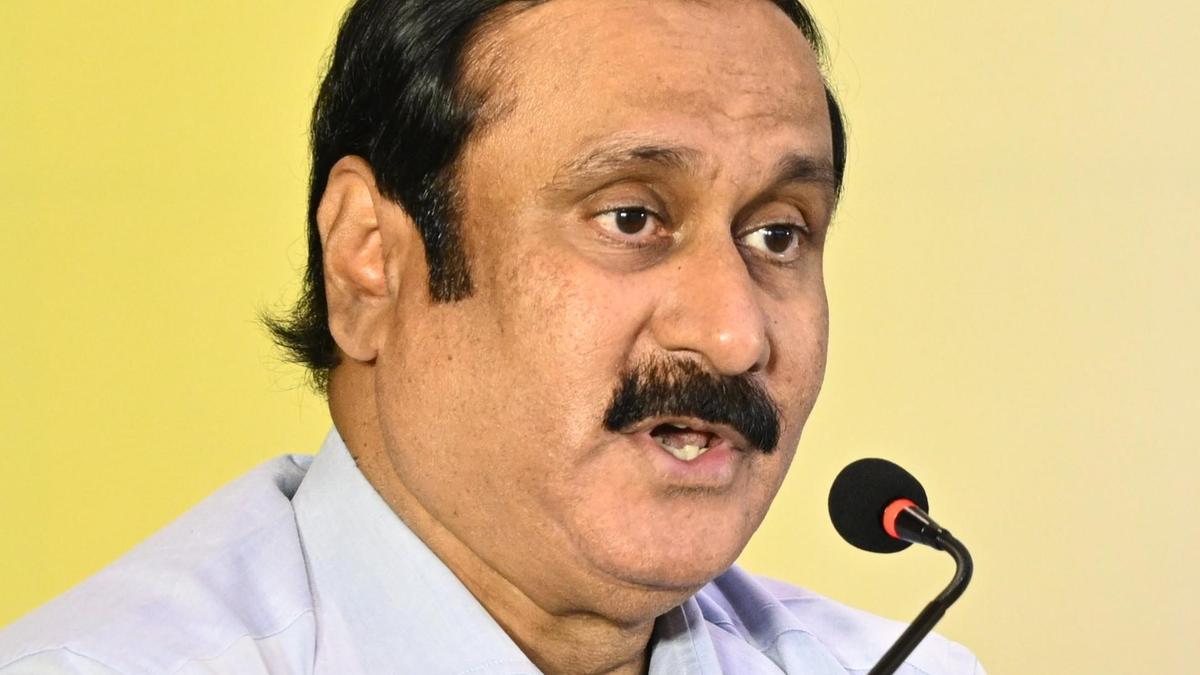
The political party Pattali Makkal Katchi (PMK) celebrated the Tamil Nadu Cabinet’s decision to launch a Social Justice Survey, a move the party has pursued for nearly five decades. PMK president Anbumani Ramadoss highlighted that the survey is vital to safeguard the state’s 69% reservation system.
Key Developments
- The Tamil Nadu cabinet formally approved the Social Justice Survey, marking a significant policy milestone.
- PMK has campaigned for the survey as a 47‑year‑old objective to assess and strengthen the state’s reservation framework.
- The survey’s findings are expected to influence future affirmative‑action reforms across Tamil Nadu.
"The survey had been a 47‑year‑long aspiration of the party and was necessary to safeguard Tamil Nadu’s 69% reservation system," said Anbumani Ramadoss in a statement.
Background & Context
Tamil Nadu’s reservation policy allocates 69% of seats in public institutions to historically disadvantaged groups, a figure that has been a cornerstone of the state’s social justice agenda. Over the past decade, debates have intensified over the efficacy and scope of these reservations, prompting calls for a comprehensive review. PMK, a party that represents the interests of the Vanniyar community, has long advocated for a systematic assessment to ensure the policy remains fair and effective.
Impact & Analysis
- Policy Clarity: Results may clarify the impact of reservations on social mobility and institutional diversity.
- National Relevance: Findings could influence reservation debates in other states, including West Bengal, where similar schemes exist.
- Community Response: Stakeholders across Tamil Nadu will watch for recommendations that may alter reservation percentages or eligibility criteria.
What Happens Next
- The survey is slated to commence shortly after approval, with a projected timeline of 12–18 months for data collection and analysis.
- A preliminary report is expected by the end of the next fiscal year, after which the cabinet will review recommendations.
- PMK plans to monitor the process closely and will engage civil society groups in the evaluation phase.