Overview
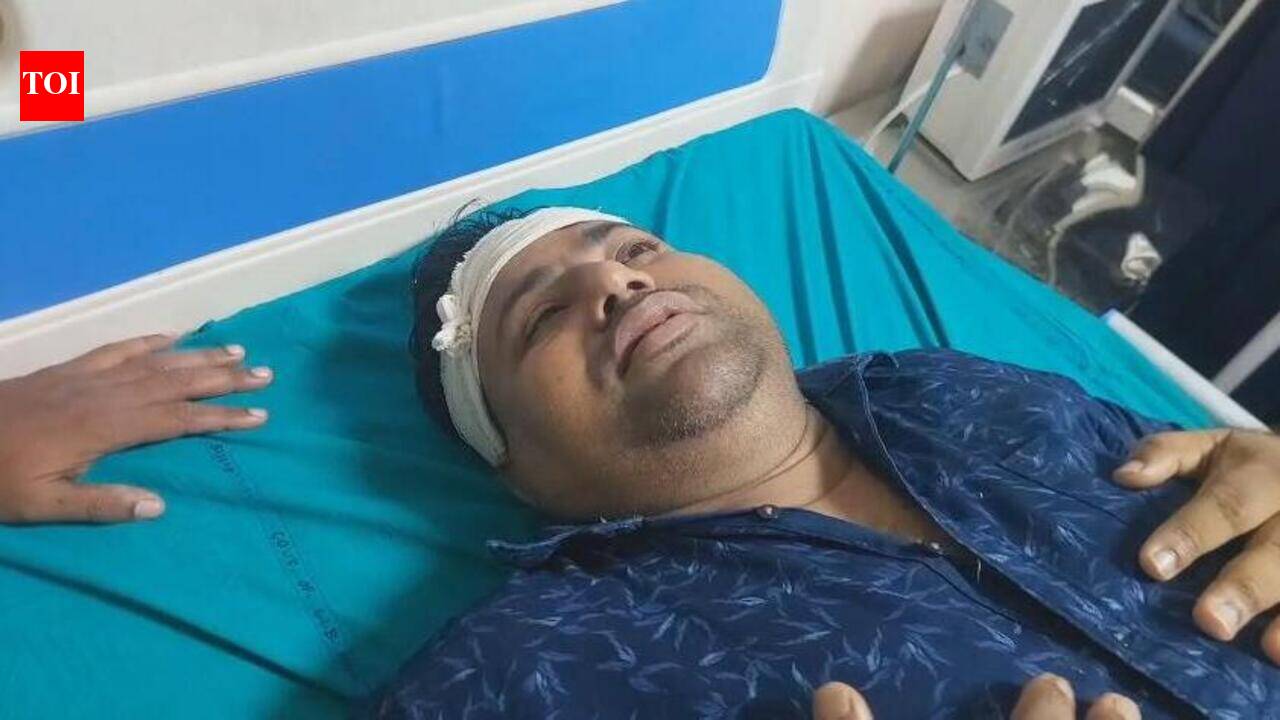
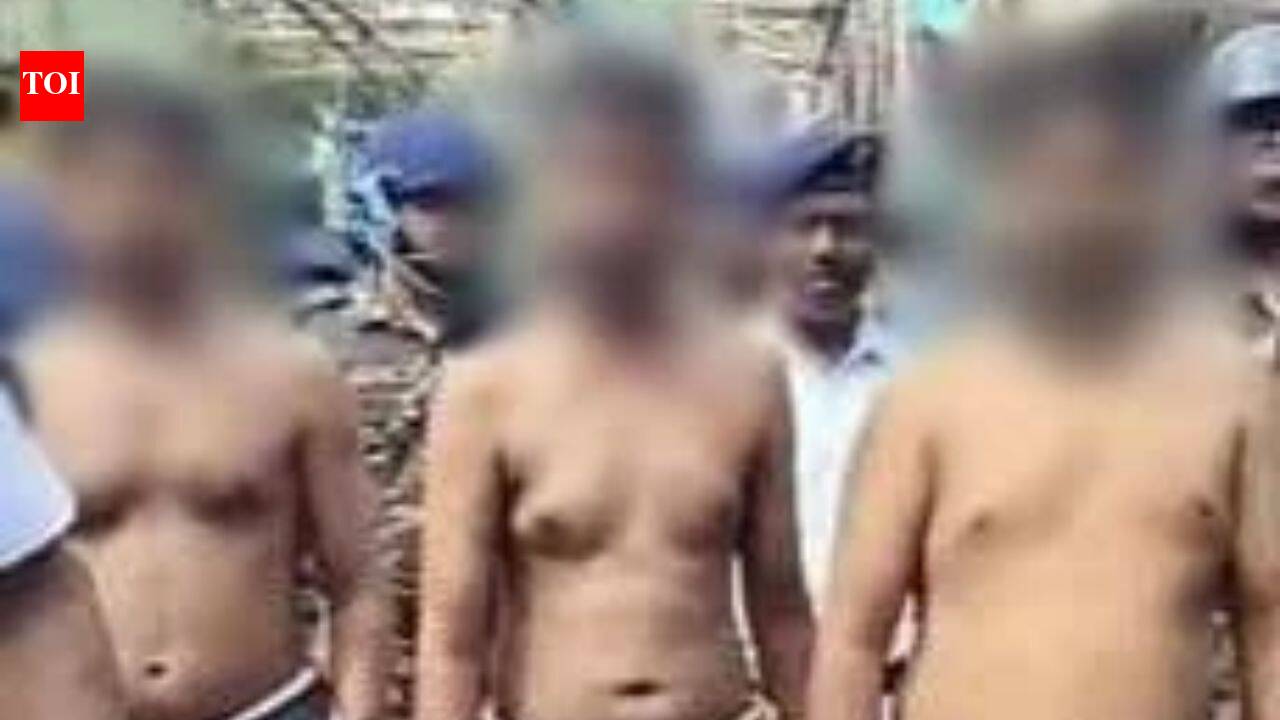
In Kolkata, a mob carried out an extrajudicial act—parading a victim’s body naked after alleging wrongdoing. Following the incident, police took three accused men, who were partially unclothed, to a public space to recreate the sequence of the crime.
Key Developments
- The mob’s action was captured on social media, sparking public outrage.
- Police officials announced that the three accused—who had been taken into custody—would be paraded semi‑naked to help witnesses and the public understand the events that led to the mob’s response.
- The parade was conducted under heavy security, with media coverage and social media commentary documenting the proceedings.
Background & Context
Mob justice has been a recurring problem in West Bengal, with several high‑profile cases involving public outrage and vigilante actions. The Kolkata incident follows a series of similar events where alleged offenders were publicly humiliated or harmed before law‑enforcement could intervene.
Impact & Analysis
- Public Confidence: The incident raises questions about the effectiveness of law enforcement in preventing mob actions.
- Legal Process: The police’s decision to reconstruct the crime publicly may influence witness testimony and judicial proceedings.
- Social Media: Rapid sharing of images and videos can amplify tensions, potentially encouraging further vigilantism.
What Happens Next
- The three accused will face formal charges and a court hearing within the next few weeks.
- Police are expected to file a detailed report on the mob’s actions and the subsequent reconstruction exercise.
- Authorities have pledged to enhance patrols in high‑risk areas to deter future mob justice incidents.