
Overview
In West Bengal, the enforcement of Pollution Under Control (PUC) norms has not curbed the emission of hazardous pollutants from conventional vehicles. Carbon monoxide (CO), nitrogen oxides (NOx) and fine particulate matter (PM) still contribute significantly to air quality deterioration in cities such as Kolkata, Howrah, and other districts.
Key Developments
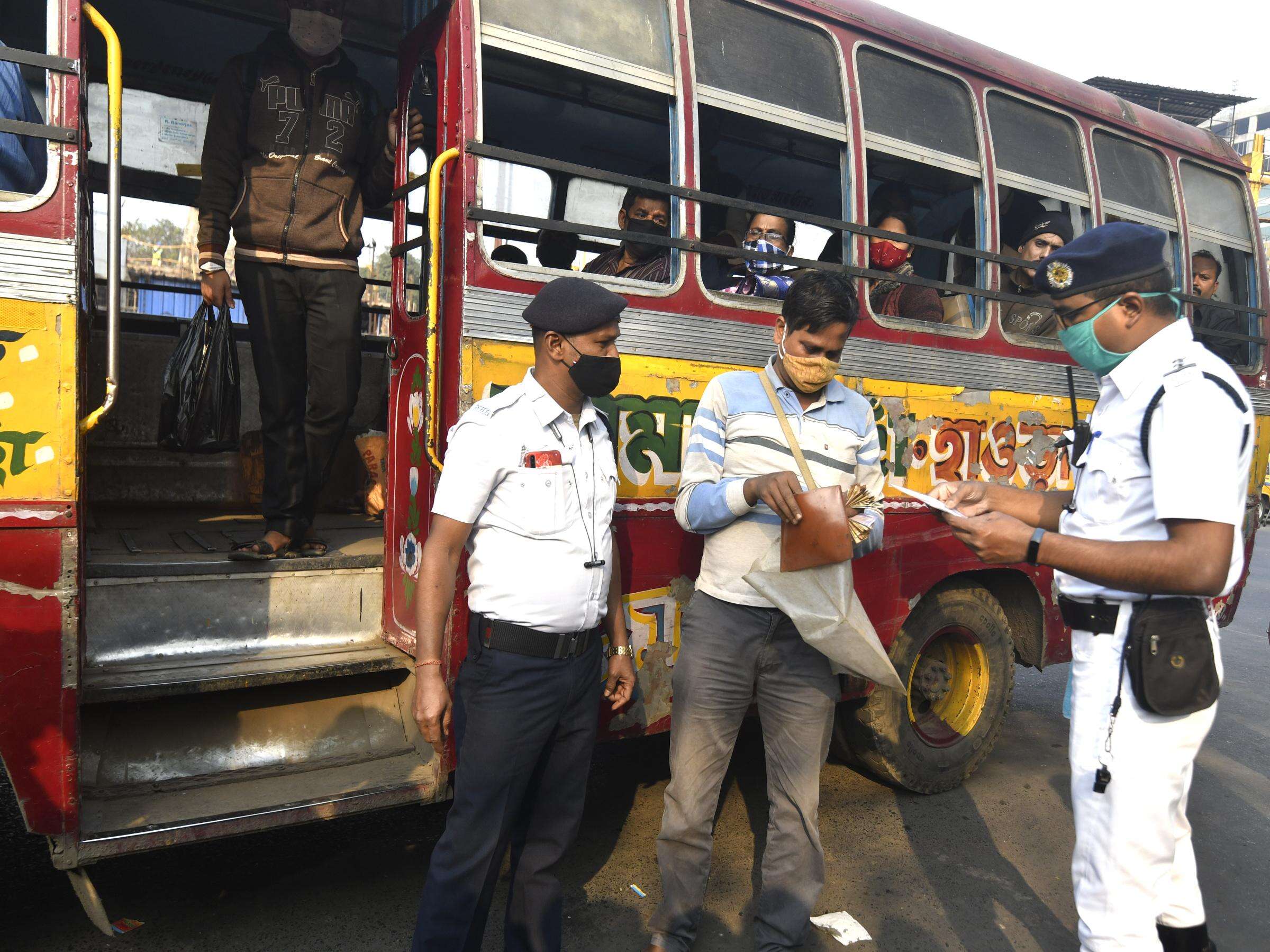
- PUC norms require periodic vehicular emission testing, yet many vehicles continue to operate without valid certificates.
- The State and Union governments have introduced attractive financing schemes and subsidies to encourage the adoption of electric vehicles.
- Despite these incentives, the number of polluting vehicles on the roads remains high, indicating gaps in enforcement and compliance.
Background & Context
- The PUC system was established to monitor and reduce vehicular pollution, mandating regular checks for CO, NOx and PM levels.
- West Bengal’s rapid motorization and the aging fleet of diesel and petrol cars have strained the effectiveness of these norms.
- Government initiatives aim to shift the fleet toward electric vehicles, but adoption rates are still modest.
Impact & Analysis
- Health Risks: Elevated CO, NOx and PM levels are linked to respiratory problems, cardiovascular disease and other adverse health outcomes.
- Environmental Degradation: Persistent emissions contribute to smog formation and reduced visibility in urban centres.
- Economic Costs: Poor air quality leads to healthcare expenses, lost productivity, and increased travel time due to traffic congestion.
- Policy Challenges: Weak enforcement, lack of public awareness, and limited infrastructure for electric vehicles hinder progress.
What Happens Next
- State transport authorities are expected to intensify PUC inspections and impose stricter penalties for non‑compliance.
- Continued promotion of electric vehicles through subsidies and financing is likely to expand, especially in metropolitan hubs.
- Future policy reviews may focus on tightening emission standards and expanding charging infrastructure to accelerate the transition away from polluting vehicles.