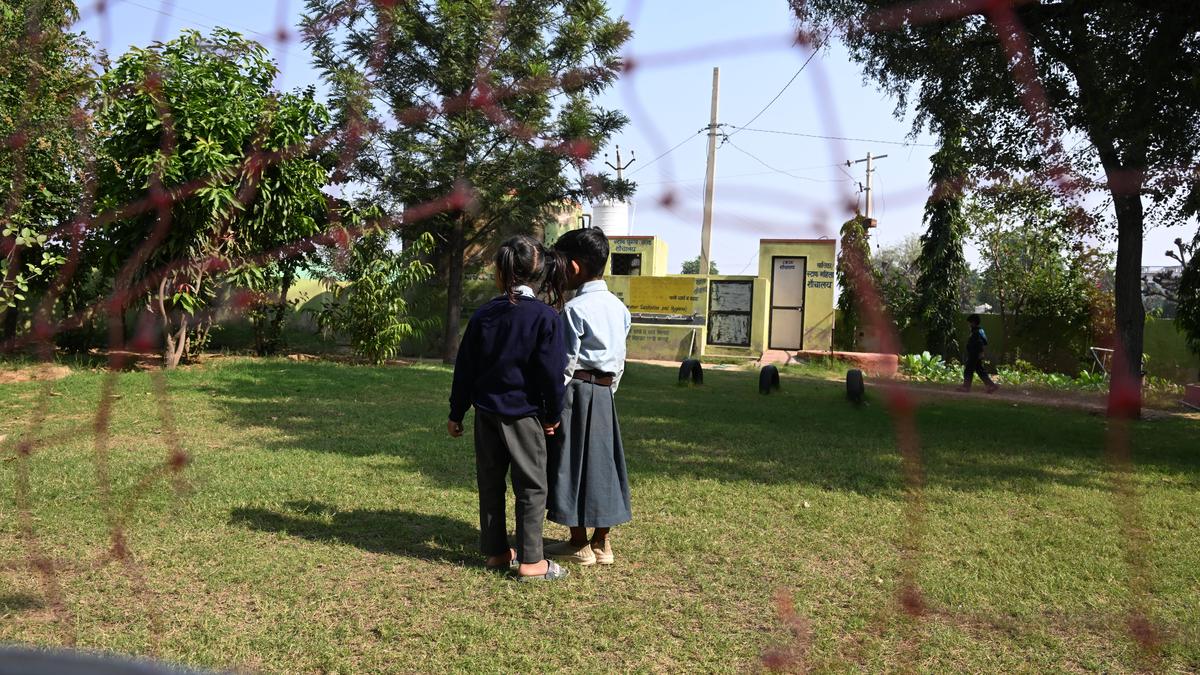
Rajasthan currently stands as the sixth-highest state in India regarding the prevalence of child marriage, according to the latest National Family Health Survey (2023-24). The practice remains deeply rooted in the region, particularly in tribal and rural areas, fueled by factors such as poverty, limited educational opportunities, and entrenched social customs like atta-satta. These issues are further exacerbated by a skewed sex ratio, which continues to sustain the tradition of early marriage.
Despite these challenges, a growing number of girls in the state are beginning to reject being spoken for. Empowered by better access to education and social media platforms, these young women are increasingly asserting their right to refuse child marriage. This shift represents a significant cultural change, as individuals use modern tools to challenge long-standing societal norms.
In parallel with these local developments, the United Nations has designated November 27 as the International Day for the Elimination of Child, Early and Forced Marriage. This global observance highlights the ongoing efforts to combat the practice worldwide, aligning with the emerging resistance seen among educated girls in Rajasthan.