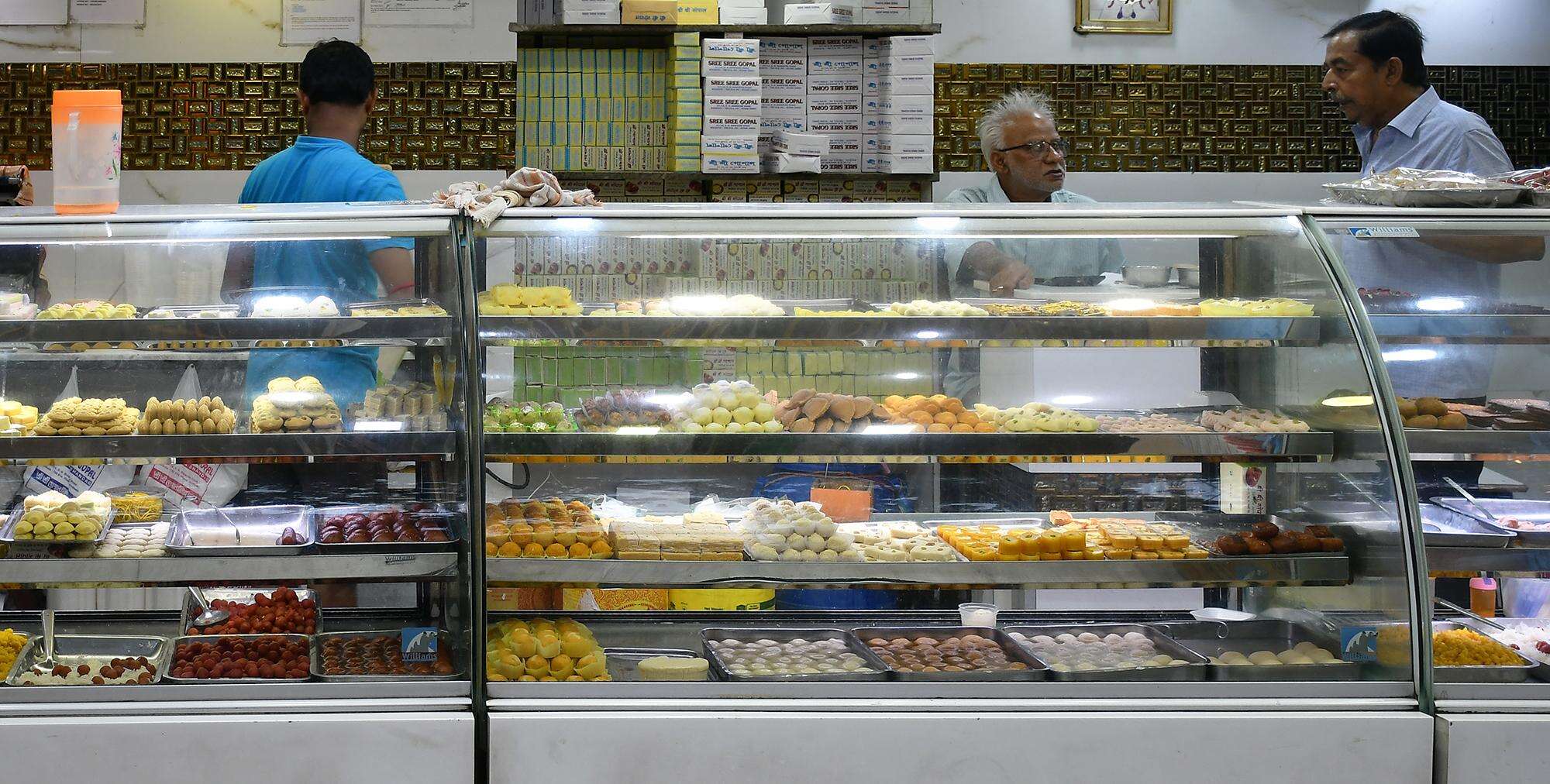
The sweet shop sector in West Bengal has experienced a marked increase in sales during the current season. Shop owners report higher footfall and larger purchases, a trend that appears to defy the broader economic pressures of inflation and a shortage of LPG, which are affecting many households.
Key Developments
- Sweet shops across key districts such as Kolkata, Howrah, and North 24 Parganas have reported higher sales volumes.
- Demand surged during major festivals and wedding seasons, traditionally peak periods for the sweets industry.
- Despite higher ingredient costs and occasional supply disruptions, the net revenue for many shops has risen.
Background & Context
The sweets market in West Bengal is traditionally linked to cultural celebrations and has a strong seasonal pattern. In recent months, consumers have continued to prioritize sweets, especially during festivals like Durga Puja and Diwali. Rising food prices, driven by global commodity shocks, and a reduced supply of LPG have increased household expenses overall, yet the sweet sector’s resilience suggests a strong demand base.
Impact & Analysis
- For sweet shop owners: Increased sales translate into higher earnings, though cost pressures remain a concern.
- For consumers: A continued preference for sweets may keep spending on discretionary items steady, even amid budget tightening.
- For the local economy: The sector’s growth supports small‑scale entrepreneurs and related supply chains.
- For policymakers: The trend highlights the need to address supply chain bottlenecks and price stability for essential goods.
What Happens Next
- Shop owners are likely to look for cost‑saving measures, such as bulk purchasing or alternative packaging.
- Market analysts will continue to monitor price trends and consumer spending patterns in the coming months.
- No immediate policy changes have been announced, but the sector may seek support through local trade bodies.