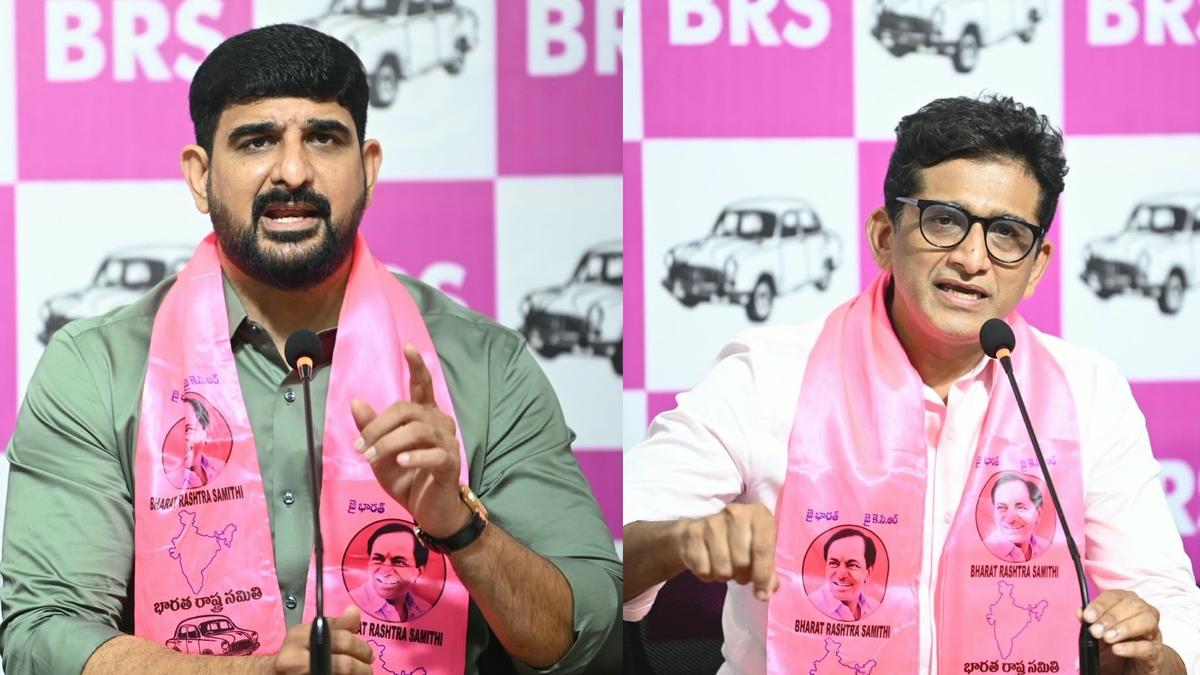
The latest controversy in Telangana politics centers on accusations from opposition members that Chief Minister K. Chandrasekhar Rao permitted a massive outflow of the Godavari River to neighboring Andhra Pradesh.
Key Developments
- Opposition MLAs reported that nearly 13,000 cubic feet per second (cusecs) of water were released from the Medigadda Barrage on Friday.
- They claim this volume amounts to 1,000 thousand million cubic feet (TMC ft) of Godavari water diverted into Andhra Pradesh.
- The allegations have prompted questions about the state’s compliance with the Godavari Water Disputes Tribunal (GWDT) guidelines.
- No official response from the Chief Minister’s office has been released yet.
Background & Context
The Godavari River, one of India’s longest rivers, flows through Telangana before entering Andhra Pradesh. The two states share a complex water‑sharing agreement governed by the GWDT. The Medigadda Barrage, situated on the Godavari, plays a pivotal role in regulating the river’s flow for irrigation, hydroelectric power, and domestic use.
Impact & Analysis
- Water security: The alleged release could affect downstream irrigation projects in Telangana.
- Inter‑state relations: The move may strain ties between Telangana and Andhra Pradesh, potentially leading to legal or diplomatic consultations.
- Public perception: Residents and farmers in Telangana may view the release as a mismanagement of water resources.
- Political fallout: Opposition parties could use the incident to challenge the ruling party’s governance, especially on resource allocation.
What Happens Next
- The Telangana government is expected to issue a statement clarifying the reasons for the water release.
- The Godavari Water Disputes Tribunal may be notified to review the incident.
- Opposition MLAs might file a formal complaint in the state assembly or seek a judicial inquiry.
- Monitoring agencies could increase water flow checks at the Medigadda Barrage to prevent future disputes.