Overview
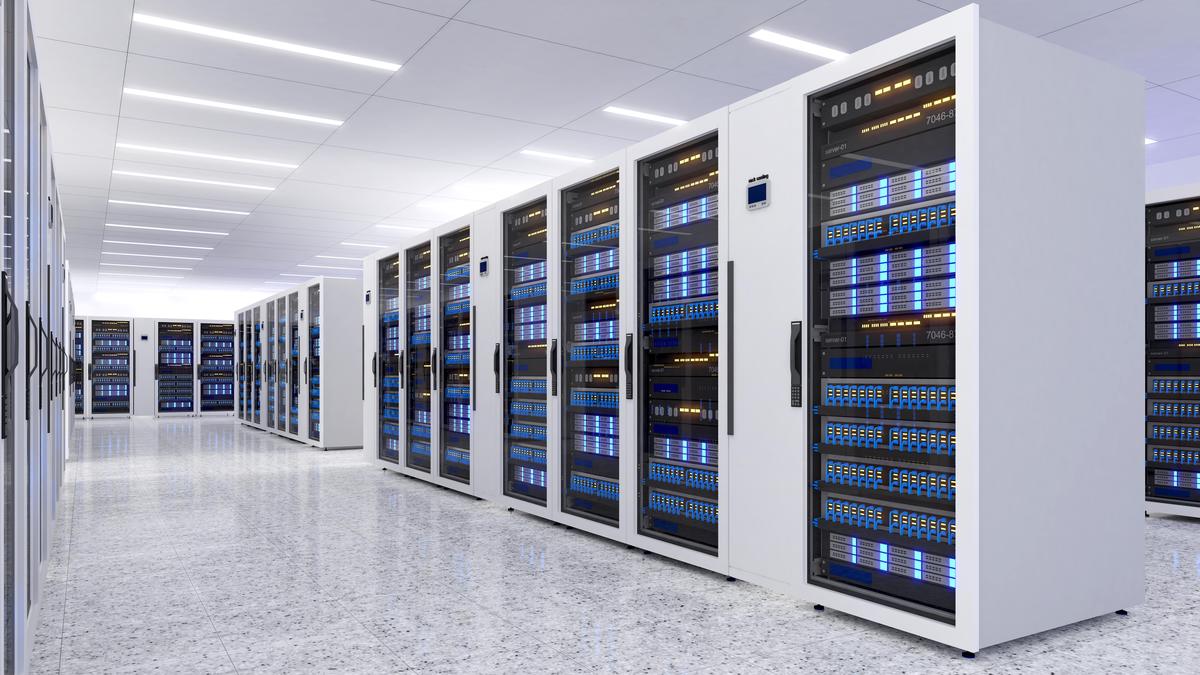
Telangana’s Department of Housing and Urban Development has issued a set of fire‑safety guidelines targeting data centres. The directives require the installation of suppression systems in high‑risk zones—fuel storage, battery rooms, and other hazardous areas—to curb the escalating threat of fire incidents in these critical facilities.
Key Developments
- The new norms explicitly list the types of fire‑safety equipment that must be available at fuel storage sites and battery rooms.
- Data‑centre operators are now mandated to deploy suppression systems capable of rapid response in identified high‑risk areas.
- Compliance with the guidelines is expected to be monitored by the state’s licensing authorities.
Background & Context
Data centres are pivotal to India’s digital economy, hosting cloud services, e‑commerce platforms, and financial data. Historically, fire-related incidents have caused significant downtime and loss of data. In response, Telangana’s government has tightened safety standards to protect both infrastructure and the sensitive information stored within.
Impact & Analysis
- Operators: Must assess current fire‑safety provisions and upgrade equipment to meet the new mandates.
- Investors: Enhanced safety standards may improve investor confidence in the region’s IT ecosystem.
- Consumers: Greater assurance of data integrity and reduced risk of service disruptions.
- Regulators: Greater oversight and stricter enforcement of fire‑safety protocols.
What Happens Next
The guidelines will become enforceable from the date of publication. Data‑centre owners are advised to conduct a safety audit immediately and submit a compliance plan to the relevant authorities. Failure to comply may result in penalties or suspension of operating licences.