Overview
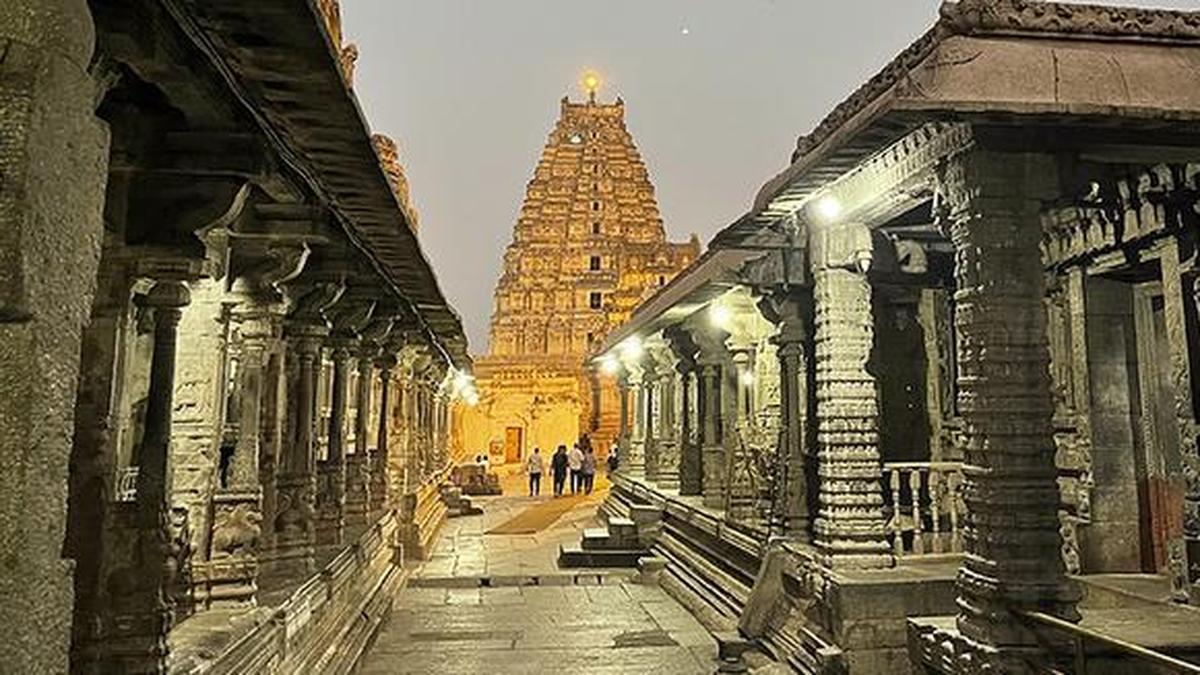
A recent meeting of a UNESCO expert committee focused on the conservation of Hampi, a UNESCO World Heritage Site located in the state of Karnataka, India. The committee highlighted the importance of involving local communities in the preservation efforts to safeguard the ancient ruins and cultural landscape.
Key Developments
- The committee emphasized that community participation is vital for effective heritage management.
- Recommendations were made to create mechanisms that allow residents to contribute to decision‑making processes.
- The call aims to balance tourism development with the protection of historic structures.
Background & Context
Hampi, known for its well‑preserved ruins of the Vijayanagara Empire, has faced increasing pressure from tourism and infrastructural projects. UNESCO has previously listed the site as at risk due to inadequate conservation measures.
Impact & Analysis
- Heritage Preservation: Greater community input could lead to more sustainable conservation strategies.
- Local Economy: Empowering residents may boost community‑based tourism initiatives.
- Policy Development: The call may influence national and state heritage policies in Karnataka.
- Tourism Management: Enhanced local oversight could help mitigate environmental impacts from visitor traffic.
What Happens Next
The committee will monitor progress and may convene follow‑up meetings to assess implementation of its recommendations. Local stakeholders in Karnataka are expected to engage with the committee’s proposals in the coming months.