Overview
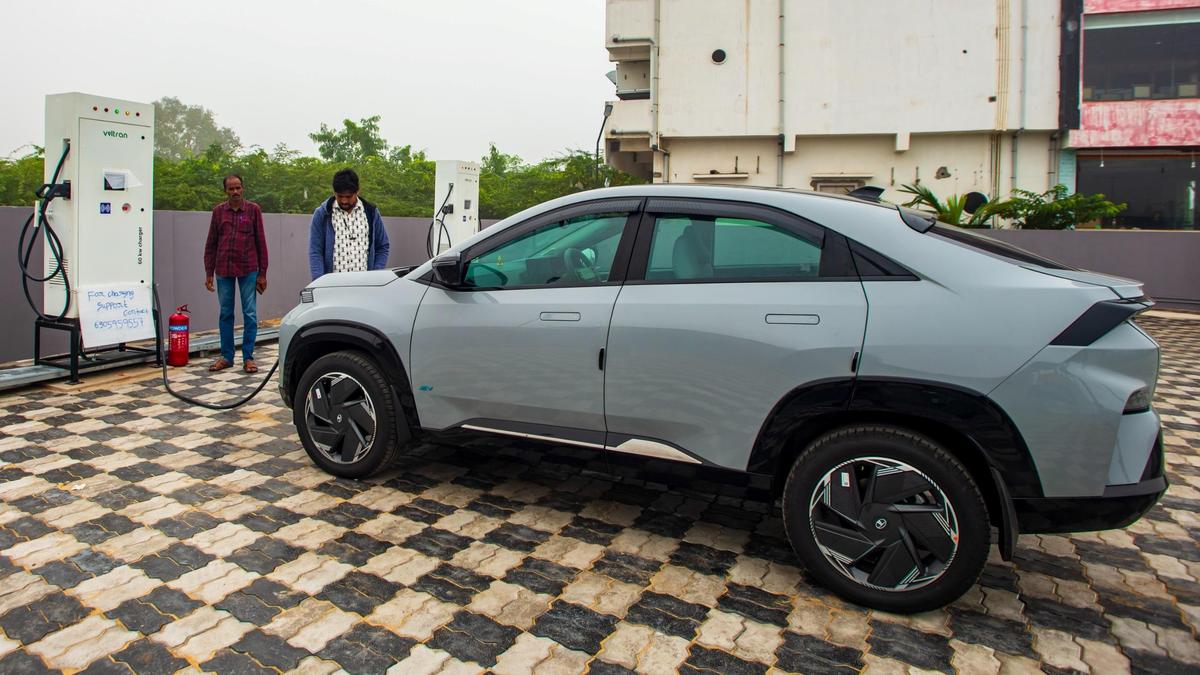
Electric vehicle (EV) sales are on the rise across West Bengal, with the state government actively promoting e‑mobility initiatives. However, the availability of public charging stations is uneven, creating challenges for drivers who wish to travel between cities.
Key Developments
- EV adoption is increasing, reflecting a broader national push toward electric transportation.
- A significant portion of the charging infrastructure remains sporadic, especially outside major urban centres.
- The West Bengal government has announced plans to improve the network, aiming to make intercity EV travel more viable.
Background & Context
West Bengal has embraced e‑mobility in line with national objectives to reduce emissions and dependence on fossil fuels. Despite this policy backing, the physical rollout of charging points has lagged, leaving many EV owners without reliable access to power on longer journeys.
Impact & Analysis
- Limited Intercity Travel: The patchy distribution of charging stations can deter drivers from using EVs for longer trips.
- Economic Implications: A weaker charging network may slow the growth of the EV market and related services.
- Environmental Goals: Incomplete infrastructure hampers the state’s ability to meet its emission‑reduction targets.
What Happens Next
The state government is taking steps to bridge the gap between its ambitious e‑mobility goals and the day‑to‑day experience of EV users. While specific timelines and projects have not been detailed yet, officials are expected to outline a roadmap for expanding and standardising charging stations in the coming months.