Overview
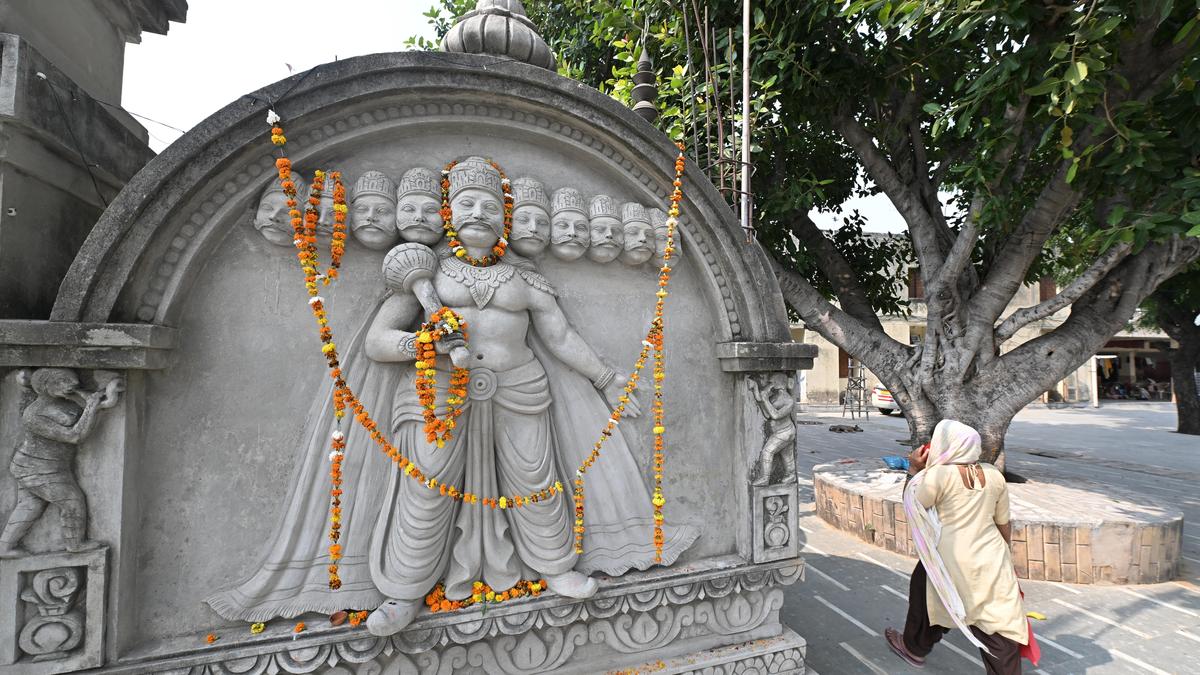
In the town of Bisrakh, located in Greater Noida, Uttar Pradesh, two small temples stand side by side. While the town observes Dasara without the customary burning of Ravana’s effigy, the priests of each temple claim that their shrine occupies the precise birthplace of the mythical demon‑king Ravana. Residents of the village see this ancestral claim as a potential catalyst for development, seeking better infrastructure, increased tourism, and financial support for the area.
Key Developments
- Two temples, separated by roughly 300 metres, both proclaim they are built on the original site of Ravana’s birth.
- Priests from each temple have engaged in informal discussions to support their respective claims.
- Local villagers express optimism that the dispute could draw attention from government bodies and tourism agencies.
- No official government statement has yet been released regarding the claim.
Background & Context
Ravana is a central figure in the epic Ramayana, and his birthplace is a well‑known mythic location in Hindu tradition. While the exact site of his birth remains a matter of legend, Bisrakh’s two temples each hold a long‑standing belief that they sit on the historic spot. The proximity of the temples fuels a friendly rivalry that has become part of the village’s cultural narrative.
Impact & Analysis
- Tourism Potential: The claim may attract pilgrims and history enthusiasts, boosting local footfall.
- Infrastructure Development: Increased visitor numbers could justify improvements to roads, signage, and public amenities.
- Economic Opportunities: Local vendors and artisans might benefit from heightened demand for religious items and hospitality services.
- Community Cohesion: The dispute encourages communal dialogue and a shared sense of heritage.
What Happens Next
- The local municipal council may assess the claim and consider allocating funds for heritage preservation.
- Tourism officials could conduct a site survey to verify the historical significance of the location.
- Residents are expected to lobby for infrastructure grants and promotional support from state tourism boards.
- A community meeting is scheduled for early next month to discuss potential collaborative projects between the two temples.