Overview
On World Stroke Day, physicians across West Bengal issued a public warning: even seemingly minor stroke symptoms should not be dismissed. The message, disseminated through local hospitals and health networks, stresses that early recognition and swift medical attention can drastically improve recovery outcomes.
Key Developments
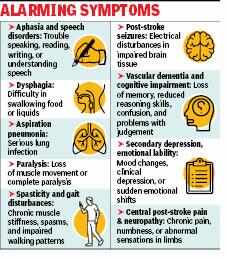
- Medical professionals highlighted classic indicators such as sudden numbness on one side of the body, slurred speech, and sudden vision changes.
- They emphasized that mild or transient signs—often labeled as "mini-strokes"—can precede a full-blown event.
- Local health authorities encouraged citizens to seek immediate evaluation at the nearest hospital if any stroke-related symptom arises.
"A minor warning sign can be a prelude to a serious stroke. Prompt medical care saves lives," said a spokesperson from the West Bengal Department of Health.
Background & Context
World Stroke Day, observed annually on October 29, aims to raise awareness about stroke prevention, early detection, and treatment. In West Bengal, stroke remains a leading cause of disability and mortality, underscoring the relevance of this advisory.
Impact & Analysis
- Residents may experience increased vigilance, leading to earlier hospital visits.
- Health facilities might see a rise in consultations for suspected mild strokes.
- Public education campaigns could reduce long-term disability rates.
What Happens Next
- Local hospitals will maintain heightened readiness for stroke emergencies throughout the day and into the following week.
- Health officials plan to distribute informational pamphlets detailing symptoms and emergency contacts.
- Follow‑up community seminars on stroke awareness are scheduled for the coming weeks.